
Guide
Can I Leave Rehab Early or Is There a Minimum Stay Requirement?
Joint Commission accredited · In network with most major insurance · Admissions answered 24 hours a day


Published July 26, 2026
Reviewed and updated July 29, 2026
Yes, you can leave detox or rehab early in most circumstances—you are not legally imprisoned—but the decision carries significant medical and recovery risks. Whether there is a minimum stay requirement depends on your admission type: voluntary patients typically have the right to discharge themselves against medical advice (AMA), while court-ordered or involuntary treatment may include mandated minimum durations. Before signing out early because you feel better, it's critical to understand that symptom relief during detox does not equal completion, and leaving prematurely dramatically increases your risk of relapse, medical complications, and incomplete withdrawal management.
If you or someone you love needs more than detox, Briarwood Detox Center also provides drug rehab austin.
Understanding Your Rights: Can You Leave Rehab Early?
The short answer is that voluntary patients—those who check themselves into treatment—generally retain the legal right to leave at any time. You are not incarcerated, and medical detox centers like Briarwood Detox Center cannot physically restrain you from leaving unless you pose an immediate danger to yourself or others under emergency psychiatric hold criteria.
Does your insurance cover detox in Austin?
Find out in about 2 minutes — free, confidential, no obligation.
Verify InsuranceHowever, exercising this right does not mean it is medically safe or advisable. Detoxification from alcohol, benzodiazepines, opioids, and other substances follows a predictable physiological timeline that often extends well beyond the initial days when patients begin to feel relief. Feeling better after 48 or 72 hours does not mean withdrawal is complete—it often means you are in a deceptively calm window before later-stage symptoms emerge or before your brain chemistry has stabilized enough to support lasting sobriety.
Court-mandated treatment, probation-linked programs, or civil commitment orders may impose binding minimum stay requirements. Leaving early in these situations can result in legal consequences including probation violations, additional jail time, or contempt charges. Always clarify your legal obligations with your attorney and treatment team before making discharge decisions.
What Does "Against Medical Advice" (AMA) Mean When You Leave Rehab Early?
When you choose to leave detox or rehab before your clinical team recommends discharge, you will be asked to sign an AMA (Against Medical Advice) form. This document acknowledges that you are leaving contrary to professional recommendations and that you understand the risks involved, including unresolved withdrawal symptoms, medical complications, and heightened relapse risk.
Signing AMA is not punitive—it is a legal and ethical safeguard that protects both you and the facility. It ensures you have been informed of the dangers and that you are making a conscious choice. The form does not strip you of future treatment options; Briarwood Detox Center and other reputable programs will always welcome you back if you decide to return and complete care.
However, insurance complications can arise. Some insurers flag AMA discharges and may scrutinize or delay coverage for subsequent admissions, viewing early departure as non-compliance. This does not mean you forfeit all benefits, but it underscores the importance of discussing your concerns with your care team and insurance coordinator before walking out.
Why Feeling Better Does Not Mean Detox Is Complete
One of the most dangerous misconceptions in early recovery is equating symptom relief with treatment completion. Detoxification is not simply about feeling physically comfortable—it is about safely managing the entire withdrawal syndrome, stabilizing brain chemistry, addressing co-occurring mental health conditions, and preparing your body and mind for the next phase of recovery.
Alcohol withdrawal, for example, follows a multi-phase timeline. Acute symptoms peak within 24 to 72 hours, but seizure risk can persist for up to a week, and post-acute withdrawal syndrome (PAWS) can linger for weeks or months. Leaving detox early because your tremors have stopped or your nausea has eased leaves you vulnerable to life-threatening complications like delirium tremens or uncontrolled seizures.
Opioid detox presents a different pattern. Physical withdrawal symptoms often subside within five to seven days, but psychological cravings, sleep disturbances, and mood instability persist much longer. Leaving before completing the full detox protocol—and before transitioning to medication-assisted treatment (MAT) or outpatient support—dramatically increases overdose risk if you relapse, especially given the fentanyl contamination of most street opioids today.
Where we are
Detox centers across Texas
Three locations, each with its own admissions line and its own clinical team. Pick the one nearest you — or call and we will tell you which has a bed tonight.
-
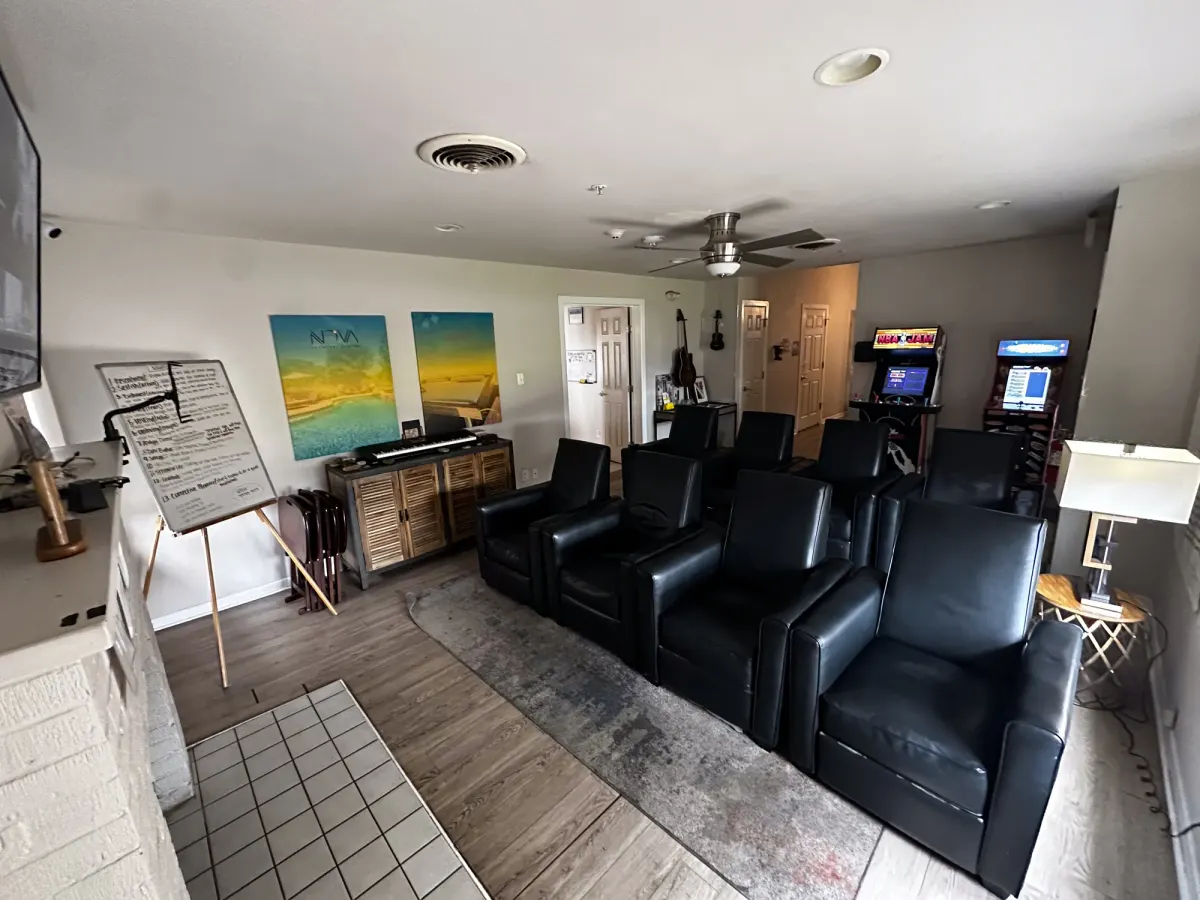 Inpatient
 Austin, TX
11711 N Lamar Blvd · 78753
- 15 beds
- On-site labs
- 24-hour medical staff
Drug & Alcohol Detox in Austin, TX
-
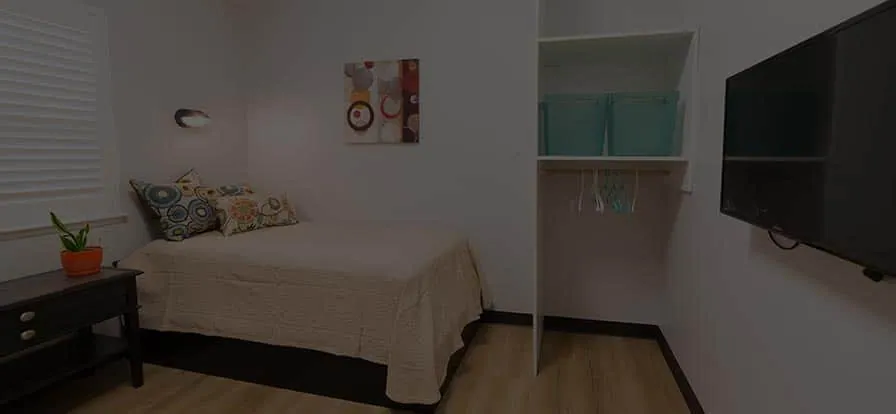 Inpatient
 Houston, TX
1019 Ashland St · 77008
- On-site labs
- 24-hour medical staff
Drug Detox Center in Houston, TX
-
 Outpatient
 San Antonio, TX
6707 W Hausman Rd · 78249
- Outpatient detox with scheduled medical visits
- Outpatient treatment
Outpatient Drug & Alcohol Detox in San Antonio
Is There a Minimum Stay Requirement for Detox or Rehab?
Minimum stay requirements vary by program type, funding source, and legal context. For voluntary admissions to private detox centers like Briarwood Detox Center, there is no legally enforced minimum—you can request discharge at any time. However, clinical best practices establish evidence-based timelines that optimize safety and outcomes.
Medically supervised detox programs typically recommend stays ranging from three to ten days depending on the substance, severity of dependence, and individual medical complexity. Alcohol and benzodiazepine detox often require seven to ten days to safely taper medications and monitor for late-onset seizures. Opioid detox may be shorter in duration but should include MAT initiation and transition planning.
Residential rehab programs—distinct from detox—often recommend 30, 60, or 90-day stays based on research showing that longer durations correlate with better long-term sobriety rates. If you entered a combined detox-and-rehab program, your "minimum stay" expectations should be clarified during admission. Briarwood Detox Center specializes in detoxification and early stabilization; we focus on safely managing withdrawal and connecting you with appropriate continuing care, not extended residential treatment.
Ready to talk to someone now? Briarwood Detox Center's admissions team is here 24/7, and every call is confidential. Call (866) 710-7710.What Happens If You Leave Detox or Rehab Early?
The consequences of leaving rehab early depend on timing, substance, legal context, and whether you have a post-discharge safety plan. Medically, you risk unfinished withdrawal, which can be dangerous or even fatal for alcohol and benzodiazepine dependence. You also forfeit the opportunity to address underlying triggers, build coping skills, and establish a relapse-prevention framework.
Relapse rates spike dramatically among patients who leave treatment prematurely. Without completing detox and transitioning to outpatient care, therapy, or peer support, most individuals return to substance use within days or weeks. This is not a moral failure—it reflects the neurobiological reality that addiction hijacks decision-making and reward circuits, and early recovery is the period of highest vulnerability.
If you are in court-ordered treatment, leaving early can trigger immediate legal repercussions. Judges take compliance seriously, and an AMA discharge may result in a probation violation hearing, revocation of bond, or imposition of previously suspended jail sentences. Always consult your attorney and probation officer before considering early discharge from a mandated program.
Alternatives to Leaving Rehab Early: What to Do If You Feel Ready
If you are feeling better and questioning whether you need to stay, pause before making a final decision. Your treatment team at Briarwood Detox Center is trained to assess medical stability, withdrawal risk, and readiness for the next level of care. Schedule a candid conversation with your physician, counselor, or case manager and explore these alternatives:
- Step down to outpatient detox: If you are medically stable but feel confined by inpatient care, transitioning to outpatient detox allows you to continue receiving medical oversight, medication management, and support while living at home. Briarwood offers outpatient detox in Austin, San Antonio, Houston, and Colorado Springs.
- Extend your stay briefly: Sometimes a few additional days make the difference between incomplete and complete detox. Discuss a modified discharge timeline that addresses your concerns while ensuring medical safety.
- Address underlying concerns: Restlessness, boredom, or feeling "fine" often masks anxiety, fear of facing life sober, or unresolved trauma. Therapeutic intervention during your remaining days can help you identify and address these issues before discharge.
- Develop a detailed aftercare plan: Feeling ready to leave is valid if paired with a robust continuing care plan—outpatient therapy, peer support meetings, medication-assisted treatment, and sober social networks. Leaving without this infrastructure is premature.
When Is It Actually Safe to Leave Detox or Rehab?
Safe discharge occurs when your medical team determines that acute withdrawal has resolved, vital signs are stable, you are not at imminent risk for complications, and you have a concrete plan for continuing care. This is not a subjective feeling of wellness—it is an objective clinical assessment based on evidence and timeline.
At Briarwood Detox Center, discharge readiness is evaluated collaboratively. We assess physical stability, psychological readiness, social support, housing security, insurance coordination for aftercare, and your understanding of relapse triggers and warning signs. If any of these areas remain unresolved, we work with you to address gaps before you leave.
Feeling better is a positive sign, but it is not the sole criterion for discharge. Many patients feel well during the early stabilization phase only to experience protracted withdrawal symptoms, cravings, or emotional dysregulation in the weeks that follow. Completing the recommended detox timeline and transitioning to structured aftercare gives you the best chance at sustained recovery.
What to Discuss With Your Treatment Team Before Leaving Early
If you are seriously considering leaving rehab early, transparency with your clinical team is essential. Rather than simply walking out, initiate an honest discussion about your concerns, motivations, and readiness. Your care team can provide perspective you may not have considered and explore compromises that honor both your autonomy and your safety.
Key questions to discuss include: What medical risks remain if I leave now? What symptoms should I watch for after discharge? Do I have prescriptions and a follow-up appointment scheduled? Is my insurance aware of my discharge status? Do I have a sponsor, therapist, or support group lined up? What is my plan if cravings intensify or I feel unsafe?
At Briarwood Detox Center, we respect your autonomy while advocating for your health. If you choose to leave AMA, we will ensure you depart with written discharge instructions, emergency contact information, crisis resources, and an open door if you decide to return.
If you or a loved one are navigating questions about detox timelines, discharge planning, or feeling unsure about staying in treatment, reach out to Briarwood Detox Center. Our clinical team is here to provide clarity, support, and evidence-based care tailored to your unique needs.
Ready to take the next step?
Briarwood Detox Center provides medically supervised drug & alcohol detox. Call (866) 710-7710 to speak with our team today.
Frequently Asked Questions
What happens if I leave rehab early?+–
Leaving rehab early increases your risk of unfinished withdrawal, medical complications, and relapse. You may be asked to sign an AMA (Against Medical Advice) form acknowledging these risks. Insurance may flag the early discharge, and if you are court-ordered, you could face legal consequences including probation violations or additional jail time.
Can you check out of rehab whenever you want?+–
Voluntary patients generally have the legal right to leave detox or rehab at any time, though it is strongly discouraged if withdrawal is incomplete or medical risks remain. Court-ordered patients may be required to complete a minimum stay, and leaving early can result in legal penalties.
What is the minimum time for rehab?+–
Minimum time varies by program and substance. Medical detox typically lasts three to ten days depending on the drug and severity of dependence. Residential rehab programs often recommend 30, 60, or 90 days. Voluntary patients are not legally bound to a minimum, but clinical guidelines exist to ensure safety and effectiveness.
What happens if you walk out of rehab?+–
Walking out of rehab without medical clearance leaves you vulnerable to dangerous withdrawal complications, untreated psychiatric symptoms, and immediate relapse risk. You forfeit the structured support, medication management, and transition planning that reduce overdose and health crises. Legal and insurance consequences may also follow.
What is the 60% rule in rehab?+–
The 60% rule is a Medicare guideline for inpatient rehabilitation facilities requiring that at least 60% of patients treated have one of 13 qualifying conditions, typically neurological or orthopedic. It does not apply to addiction detox or behavioral health rehab programs like Briarwood Detox Center.
What's the shortest time you can stay in rehab?+–
Technically, voluntary patients can leave after one day, but the shortest medically advisable detox stay is typically three to five days for less severe cases. Alcohol, benzodiazepine, and complex polysubstance detox often require seven to ten days to safely manage withdrawal and prevent life-threatening complications.
What is the 3-hour rule for inpatient rehab?+–
The 3-hour rule is a Medicare requirement for inpatient rehabilitation facilities, mandating that patients participate in at least three hours of therapy per day. This rule applies to medical and physical rehab settings, not to substance use detox centers like Briarwood Detox Center.
Can I leave detox if I feel physically stable but still have cravings?+–
Physical stability is only one part of safe discharge. Persistent cravings, mood instability, and lack of a continuing care plan indicate you are not yet ready to leave. Completing detox and transitioning to outpatient therapy, MAT, or peer support significantly improves long-term recovery outcomes and reduces relapse risk. Ready to Start Your Recovery in Austin? Struggling with Can I leave rehab early if I feel like I'm doing better or is there a ? Briarwood Detox Center's Austin facility offers medically supervised detox. Explore our locations, see the facility, and verify your insurance in minutes. See our locations
Related guides



About the people behind this guide
Anna-Grace Washington
Medical Content Writer
Anna-Grace Washington is a Medical Content Writer for Briarwood Detox Center. She holds a master’s degree in clinical psychology from the University of Texas and brings a strong understanding of behavioral health, addiction recovery, and evidence-based treatment concepts to her writing.
Dr. Robert Ulrich, DO
Medical Director
Dr. Robert Ulrich serves as Medical Director at Briarwood Detox Center, bringing more than two decades of clinical neurology experience to the treatment of substance use disorders. He is board-certified in neurology by the American Board of Psychiatry and Neurology and completed his neurology residency at UT Southwestern Medical Center in Dallas, where he served as Chief Resident.
In network with most major insurance
Find your plan and see what detox would cost
Most plans cover medical detox. Coverage varies by plan, so we verify it for you before you commit to anything.


















Don't see your plan? We work with out-of-network benefits and offer self-pay options — (866) 710-7710
- Confidential
- Takes about 2 minutes
- No obligation to admit

- Accredited The Joint Commission
- Rated 4.7 · 183 Google reviews Flourishing Foundations Recovery, now part of Briarwood
- Admissions 24 hours a day