
Guide
Are There Detox Programs in San Antonio for Elderly Patients?
Joint Commission accredited · In network with most major insurance · Admissions answered 24 hours a day


Published June 21, 2026
Reviewed and updated July 29, 2026
Yes, there are detox programs in San Antonio that specialize in treating elderly patients with addiction. At Briarwood Detox Center, our outpatient detox services in San Antonio are designed to accommodate the unique medical, physical, and emotional needs of older adults withdrawing from drugs or alcohol. Age-appropriate withdrawal management recognizes that seniors metabolize substances differently, often present with co-occurring medical conditions, and require careful medication protocols to ensure safety during detoxification.
If you or someone you love needs more than detox, Briarwood Detox Center also provides outpatient rehab san antonio.
Why Elderly Patients Need Specialized Detox Programs
Older adults face distinct physiological challenges during withdrawal that younger patients typically do not encounter. The aging process affects liver and kidney function, slowing the body's ability to process and eliminate toxins. This means withdrawal symptoms can last longer and require closer medical monitoring.
Does your insurance cover detox in San Antonio?
Find out in about 2 minutes — free, confidential, no obligation.
Verify InsuranceCardiovascular changes are another critical factor. Many seniors already manage hypertension, arrhythmias, or heart disease. Alcohol and benzodiazepine withdrawal can trigger dangerous spikes in blood pressure and heart rate, creating life-threatening situations if not properly supervised. Detox programs in San Antonio that specialize in treating elderly patients with addiction understand these risks and adjust protocols accordingly.
Polypharmacy—the use of multiple prescription medications—complicates withdrawal management. Seniors often take medications for diabetes, blood pressure, pain, and other chronic conditions. These drugs can interact unpredictably with withdrawal symptoms or with medications used to ease detox discomfort. A specialized program reviews every medication, adjusts timing, and monitors for adverse interactions.
Common Substances of Abuse Among Older Adults
The most commonly abused substance among older adults is alcohol. Many seniors develop late-onset alcohol dependence, often in response to retirement, loss of a spouse, chronic pain, or isolation. Because tolerance builds slowly and social drinking can mask dependence, family members may not recognize the problem until a medical crisis occurs.
Prescription medications rank second. Benzodiazepines prescribed for anxiety or sleep, opioids for pain management, and sedative-hypnotics all carry high addiction potential. Seniors may escalate doses without medical guidance, or continue use long past the original prescription period. Physical dependence can develop even when medications are taken as directed.
Over-the-counter medications also contribute. Some older adults misuse antihistamines, cough syrups containing dextromethorphan, or pain relievers in ways that create dependence. While these substances may seem benign, withdrawal still requires medical oversight, particularly when combined with other medications or underlying health conditions.
Medical Supervision During Elderly Detox
Medically supervised detox is essential for elderly patients because withdrawal can rapidly destabilize fragile health. At Briarwood Detox Center's San Antonio outpatient program, seniors receive thorough medical assessments before detox begins. We evaluate cardiac function, kidney and liver health, cognitive status, nutritional deficiencies, and existing medications.
Vital sign monitoring occurs more frequently in older patients. Blood pressure, heart rate, oxygen saturation, and temperature are checked regularly to catch complications early. Dehydration and electrolyte imbalances develop faster in seniors, so hydration support and lab work are standard components of care.
Medication-assisted withdrawal uses conservative dosing tailored to age-related metabolism changes. For alcohol detox, benzodiazepines may be prescribed at lower doses with longer intervals than in younger patients. For opioid withdrawal, comfort medications are carefully selected to avoid sedation or respiratory depression. Every adjustment considers the patient's complete medication list and health history.
Addressing Co-Occurring Medical Conditions
Detox programs in San Antonio that specialize in treating elderly patients with addiction integrate medical care for chronic conditions throughout the withdrawal process. Diabetes management continues without interruption, with blood sugar monitoring adjusted for changes in appetite and stress hormones during detox.
Chronic pain presents a particular challenge. Many seniors entered addiction through legitimate pain management that evolved into dependence. During detox, non-addictive pain control strategies are introduced—physical therapy modalities, non-opioid medications, and techniques that will serve the patient beyond the detox phase.
Cognitive considerations matter deeply. Early dementia, mild cognitive impairment, or medication-related confusion can affect a patient's ability to report symptoms accurately. Clinical staff trained in geriatric care recognize subtle signs of distress and adjust care without relying solely on self-reporting.
Where we are
Detox centers across Texas
Three locations, each with its own admissions line and its own clinical team. Pick the one nearest you — or call and we will tell you which has a bed tonight.
-
 Inpatient
 Austin, TX
11711 N Lamar Blvd · 78753
- 15 beds
- On-site labs
- 24-hour medical staff
Drug & Alcohol Detox in Austin, TX
-
 Inpatient
 Houston, TX
1019 Ashland St · 77008
- On-site labs
- 24-hour medical staff
Drug Detox Center in Houston, TX
-
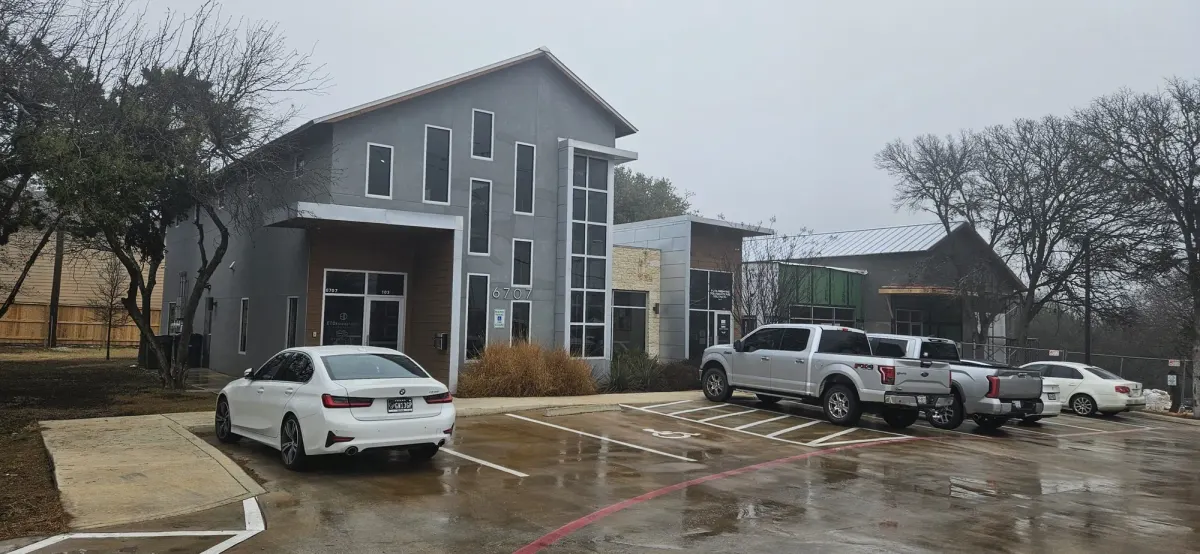 Outpatient
 San Antonio, TX
6707 W Hausman Rd · 78249
- Outpatient detox with scheduled medical visits
- Outpatient treatment
Outpatient Drug & Alcohol Detox in San Antonio
The Difference Between Detox and Long-Term Rehab for Seniors
Understanding the distinction between detox and rehab helps families make informed decisions. Detox addresses the immediate physiological dependence—safely managing withdrawal symptoms until the body clears the substance. This medical process typically lasts three to ten days, depending on the substance and the individual's health status.
Rehabilitation, by contrast, focuses on the psychological and behavioral aspects of addiction. It involves counseling, skill-building, and lifestyle changes to prevent relapse. Detox is the necessary first step, but it does not address the underlying reasons someone uses substances or teach strategies for sustained sobriety.
At Briarwood Detox Center, our San Antonio outpatient detox program provides the medical stabilization elderly patients need. Once withdrawal is safely managed, we offer guidance about appropriate next steps, which may include outpatient counseling, support groups, or other community resources suited to the patient's age and situation.
Outpatient Detox as an Option for Elderly Patients
Outpatient detox can be appropriate for many elderly patients who have stable housing, family support, and lower-risk withdrawal profiles. This model allows seniors to detox while remaining in familiar surroundings, which reduces confusion and anxiety—particularly important for those with early cognitive decline.
Our San Antonio outpatient detox services schedule regular check-ins where medical staff assess progress, adjust medications, and monitor for complications. Patients return home between appointments, maintaining daily routines and connection with family. This continuity supports dignity and independence while still providing necessary medical oversight.
Not every case is suitable for outpatient care. Severe alcohol dependence, polysubstance use, serious cardiac conditions, or lack of a safe home environment may require our inpatient medically supervised detox in Austin. Clinical staff determine the appropriate level of care during the initial assessment, prioritizing safety above all other considerations.
Ready to talk to someone now? Briarwood Detox Center's admissions team is here 24/7, and every call is confidential. Call (210) 305-4522.How to Help an Elderly Family Member with Addiction
Recognizing addiction in an older loved one can be difficult. Symptoms like memory problems, falls, social withdrawal, or neglecting hygiene are often attributed to aging rather than substance use. If you suspect a problem, approach the conversation with compassion rather than confrontation.
Choose a calm moment when your family member is sober. Express specific observations without judgment: "I've noticed you seem unsteady in the evenings" or "I'm worried about the number of pill bottles I saw." Listen to their perspective. Many seniors feel shame about addiction or fear losing independence if they admit to struggling.
Offer to help them explore professional detox options. Research shows that family involvement improves treatment outcomes at every age. Accompanying your loved one to an assessment appointment, helping coordinate transportation, or managing medication schedules during outpatient detox are all meaningful forms of support.
Avoid taking control in ways that diminish autonomy. Older adults respond better when they retain agency in treatment decisions. Present detox programs in San Antonio that specialize in treating elderly patients with addiction as a resource they can choose, not an ultimatum.
Safety Considerations and Medication Interactions
Certain medications pose heightened risks for elderly patients and require special attention during detox. Anticholinergic drugs—including many antihistamines, tricyclic antidepressants, and bladder control medications—can worsen confusion and increase fall risk when combined with withdrawal symptoms or detox medications.
Benzodiazepines, while sometimes used to manage alcohol withdrawal, must be prescribed cautiously. In older adults, even short-acting benzodiazepines can accumulate, causing prolonged sedation, impaired coordination, and paradoxical agitation. Briarwood's medical team uses the lowest effective doses and monitors closely for these effects.
Blood thinners, diabetes medications, and heart rhythm drugs all require dose adjustments as substance use stops. Alcohol and opioids affect blood sugar regulation, clotting factors, and cardiovascular function. As these substances leave the system, previously stable medication regimens may need modification to prevent dangerous swings.
Nutritional Support During Elderly Detox
Malnutrition and vitamin deficiencies are common in older adults with addiction. Alcohol interferes with thiamine absorption, leading to potentially serious neurological complications if not addressed during detox. Opioid use often suppresses appetite, resulting in protein-calorie malnutrition and micronutrient deficits.
Detox programs that understand geriatric needs incorporate nutritional assessment and supplementation. Thiamine, folate, magnesium, and B-complex vitamins are often replaced during the withdrawal period. Adequate protein intake supports healing, while balanced meals help stabilize blood sugar and energy levels.
Hydration is monitored carefully. Seniors have diminished thirst perception and reduced kidney function, making them vulnerable to dehydration during the stress of withdrawal. Nausea, vomiting, or diarrhea—common withdrawal symptoms—compound these risks. Oral hydration protocols or, when necessary, intravenous fluids prevent dangerous electrolyte imbalances.
What Happens After Detox?
Completing detox is an important achievement, but it represents the beginning of recovery rather than the end. For elderly patients, continuing care might include outpatient counseling adapted to their life stage, peer support groups specifically for older adults, or case management that addresses social isolation and practical needs.
Family education is equally important. Adult children and spouses benefit from understanding the disease of addiction, recognizing relapse warning signs, and learning how to support sobriety without enabling. Some families pursue their own counseling to heal relationships strained by addiction.
Medical follow-up ensures that chronic conditions stabilized during detox remain well-managed. Primary care physicians, cardiologists, pain specialists, and other providers should be informed about the patient's recovery so they can prescribe safely and watch for signs of relapse.
If you or an elderly loved one is struggling with substance dependence, specialized detox care can provide the safe, dignified support needed to begin recovery. Briarwood Detox Center's outpatient services in San Antonio offer age-appropriate medical supervision throughout the withdrawal process.
Ready to take the next step?
Briarwood Detox Center provides medically supervised drug & alcohol detox. Call (210) 305-4522 to speak with our team today.
Frequently Asked Questions
What is the best treatment for substance abuse for older adults?+–
The best treatment begins with medically supervised detox tailored to the physiological needs of aging adults, followed by age-appropriate counseling and support. Older adults benefit from programs that address co-occurring medical conditions, medication management, social isolation, and life transitions specific to their stage of life. Treatment should involve family when possible and coordinate with existing healthcare providers to ensure comprehensive, integrated care throughout recovery.
How to help a family member with addiction?+–
Approach your family member with compassion during a calm moment when they are sober. Express specific concerns without judgment, listen to their perspective, and offer to help them explore professional detox and treatment options. Accompany them to assessments, help coordinate care, and educate yourself about addiction. Avoid enabling behaviors while maintaining supportive involvement. Professional guidance can help you balance support with healthy boundaries.
What is the most commonly abused substance among older adults?+–
Alcohol is the most commonly abused substance among older adults. Many seniors develop late-onset alcohol dependence in response to retirement, loss, chronic pain, or social isolation. Prescription medications, particularly benzodiazepines and opioid pain relievers, rank second. Physical dependence can develop even when medications are initially taken as prescribed, and seniors may not recognize problematic use until health complications arise.
Is there a difference between rehab and detox?+–
Yes. Detox is a medical process that safely manages withdrawal symptoms as the body clears a substance, typically lasting three to ten days. It addresses physical dependence. Rehab focuses on the psychological and behavioral aspects of addiction through counseling, skill-building, and relapse prevention strategies. Detox is the necessary first step that stabilizes patients medically before they can fully engage in rehabilitation programming.
What are 5 drugs to avoid in the elderly?+–
High-risk medications for elderly patients include long-acting benzodiazepines, which increase fall and confusion risk; anticholinergic drugs like diphenhydramine that impair cognition; non-steroidal anti-inflammatory drugs that stress kidneys and raise bleeding risk; muscle relaxants that cause excessive sedation; and sliding-scale insulin without proper monitoring. During detox, medical staff review all medications to identify and adjust those that pose dangers during withdrawal or interact poorly with detox protocols.
What should I expect during an elderly loved one's detox assessment?+–
The initial assessment includes a comprehensive medical history, current medication review, vital sign measurement, and evaluation of cardiac, kidney, and liver function. Clinicians assess cognitive status, nutritional state, substance use history, and co-occurring medical conditions. They determine whether outpatient or inpatient detox is appropriate based on withdrawal risk, home safety, and support availability. The assessment creates an individualized detox plan that addresses the patient's specific medical needs.
Can elderly patients safely detox at home with family supervision?+–
Home detox without medical supervision is unsafe for elderly patients due to age-related health vulnerabilities and unpredictable withdrawal complications. However, outpatient detox provides a middle option—seniors remain at home between scheduled medical appointments where they receive medication, monitoring, and assessment. This model works for appropriate candidates who have stable housing, family support, and lower-risk withdrawal profiles, while still ensuring professional medical oversight throughout the process.
How long does detox take for elderly patients?+–
Detox duration varies by substance and individual health factors, but typically ranges from three to ten days. Elderly patients may experience longer withdrawal timelines due to slower metabolism and reduced organ function. Alcohol and benzodiazepine detox often requires seven to ten days, while opioid withdrawal symptoms may peak within three to five days. Medical staff extend monitoring as needed to ensure complete stabilization before transitioning to continuing care. Ready to Start Your Recovery in San Antonio? Briarwood Detox Center offers medically supervised detox in San Antonio. Explore our locations, see the facility, and verify your insurance in minutes. See our locations
Related guides



About the people behind this guide
Anna-Grace Washington
Medical Content Writer
Anna-Grace Washington is a Medical Content Writer for Briarwood Detox Center. She holds a master’s degree in clinical psychology from the University of Texas and brings a strong understanding of behavioral health, addiction recovery, and evidence-based treatment concepts to her writing.
Dr. Robert Ulrich, DO
Medical Director
Dr. Robert Ulrich serves as Medical Director at Briarwood Detox Center, bringing more than two decades of clinical neurology experience to the treatment of substance use disorders. He is board-certified in neurology by the American Board of Psychiatry and Neurology and completed his neurology residency at UT Southwestern Medical Center in Dallas, where he served as Chief Resident.
In network with most major insurance
Find your plan and see what detox would cost
Most plans cover medical detox. Coverage varies by plan, so we verify it for you before you commit to anything.


















Don't see your plan? We work with out-of-network benefits and offer self-pay options — (210) 305-4522
- Confidential
- Takes about 2 minutes
- No obligation to admit
- Accredited The Joint Commission
- Rated 5.0 · 80 Google reviews Flourishing Foundations Recovery, now part of Briarwood
- Admissions 24 hours a day