
Guide
Why Do I Feel Unfocused and Unmotivated Without Kratom in Austin, TX?
Joint Commission accredited · In network with most major insurance · Admissions answered 24 hours a day


Published November 29, 2025
Reviewed and updated July 29, 2026
Key Takeaways · 7 points
- Kratom can briefly boost mood and energy but it also acts on opioid‑like receptors in the brain, which can change how you experience pain, stress, and reward. These effects help explain why some people start to feel like they cannot handle daily life without it.
- Feeling unfocused and unmotivated without kratom is often a sign that your brain has adapted to regular use and is now going through withdrawal or adjustment. This phase can include brain fog, low mood, and trouble concentrating even on simple tasks.
- Kratom withdrawal usually begins within a day of the last dose, peaks over the next few days, and may leave lingering sleep and mood problems afterward. Knowing this timeline can make the process easier to plan for and manage.
- Needing higher doses of kratom, feeling unwell when you miss a dose, and struggling to cut back despite consequences can indicate that kratom use has become a problem. These are common signs of dependence and may point to the need for structured treatment.
- Quitting kratom on your own can involve intense cravings, sleep disturbance, and emotional swings, while medical detox provides monitoring, comfort medications when appropriate, and a controlled environment. This support can reduce relapse risk and improve safety during withdrawal.
- Briarwood Detox Center in Austin, TX offers individualized, medically supervised detox for kratom and other substances, along with planning for the next phase of treatment. The team tailors care to your health history, co‑occurring conditions, and goals for recovery.
- If a loved one seems unable to function without kratom, a calm, non‑judgmental conversation and information about professional detox can help them consider treatment options. Families can play an important role in encouraging safe, medically supported change.
Break Free from Addiction. Detox Safely in Austin Today.
Medically Supervised Detox – Compassionate Care Starts Here.
Feeling foggy, tired, or unmotivated after stopping kratom can be unsettling. Many people begin taking kratom to cope with pain, stress, or low energy. Over time, the brain adapts, and everyday life can start to feel “flat” or unmanageable without it. When kratom use stops or drops suddenly, the brain and body must rebalance, which can cause withdrawal symptoms such as brain fog, low mood, and trouble concentrating.













Kratom use has grown across the United States. Surveys suggest that more than a million Americans have used kratom in a recent year, often to self‑treat pain, anxiety, or opioid withdrawal. While some users report short‑term benefits, research also links regular use with dependence, withdrawal, and loss of motivation. If you feel unable to function without kratom, that may be a sign that your body has become dependent and that professional help could be appropriate.
Briarwood Detox Center in Austin, TX provides medically supervised detox for kratom and other substances, helping you move through withdrawal safely and prepare for longer‑term treatment when needed.
What is kratom and how does it affect your brain?
Kratom’s short‑term effects on mood and energy
Kratom comes from the leaves of Mitragyna speciosa, a tree native to Southeast Asia. At lower doses, many users describe mild stimulation, increased energy, or better focus. At higher doses, effects can feel more sedating or opioid‑like, with pain relief and a sense of calm. For a deeper overview of kratom side effects, detox, and withdrawal, see our full guide.
Apply the link to the bolded phrase.
Because of these properties, people often start kratom to manage pain, fatigue, or emotional distress. Surveys show that many users report self‑treating opioid withdrawal, pain, anxiety, and depression with kratom. This pattern creates a strong link between the substance and feeling able to “get through the day,” which can make stopping feel impossible.
How kratom interacts with brain receptors
Kratom’s main alkaloids, including mitragynine and 7‑hydroxymitragynine, bind to some of the same brain receptors as opioids. These receptors influence pain, reward, and stress responses. Over time, repeated activation can change how the brain regulates mood and motivation on its own.
As tolerance builds, you may need higher or more frequent doses to get the same effect. When use suddenly stops or drops, the brain no longer has that extra stimulation, and withdrawal symptoms can appear—both physical (like muscle aches or nausea) and psychological (like anxiety, low mood, and poor concentration).
Why dependence and tolerance develop
Regular kratom use can lead to dependence, meaning your body has adapted to the drug and reacts negatively when it is removed. Studies of long‑term users describe withdrawal symptoms, cravings, and stronger control by the drug over time.
If you find yourself organizing your day around doses, increasing amounts to feel “normal,” or feeling sick and unmotivated without it, these may be signs of dependence. Briarwood Detox Center’s kratom‑focused education and detox services can help you understand these patterns and begin changing them in a safe, structured way.
Where we are
Detox centers across Texas
Three locations, each with its own admissions line and its own clinical team. Pick the one nearest you — or call and we will tell you which has a bed tonight.
-
 Inpatient
 Austin, TX
11711 N Lamar Blvd · 78753
- 15 beds
- On-site labs
- 24-hour medical staff
Austin Inpatient Drug & Alcohol Detox
-
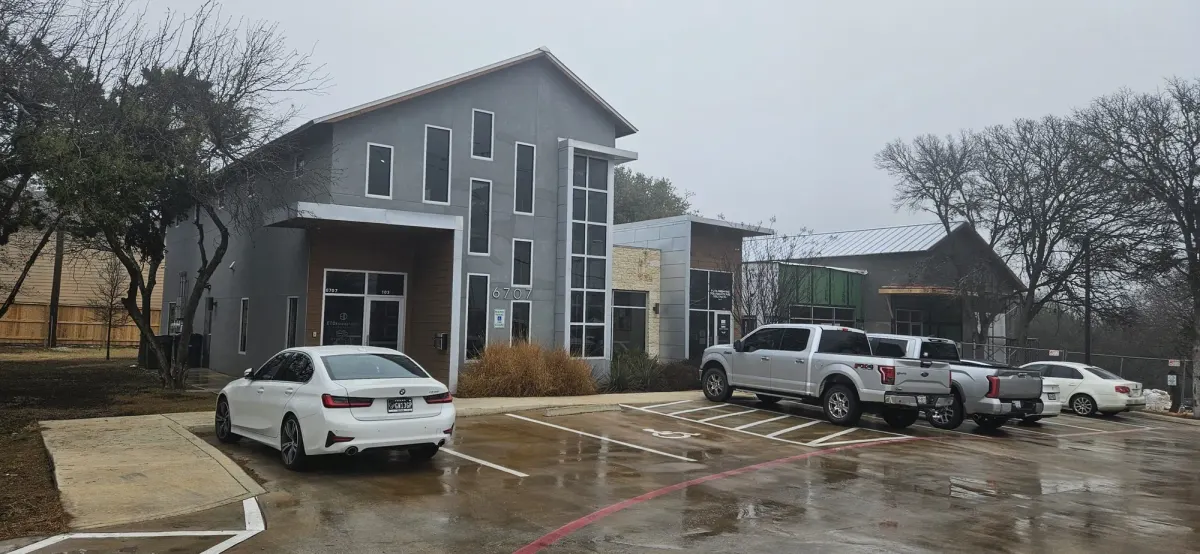 Outpatient
 San Antonio, TX
6707 W Hausman Rd · 78249
- Outpatient detox with scheduled medical visits
- Outpatient treatment
Outpatient Detox Programs in San Antonio
-
 Inpatient
 Houston, TX
1019 Ashland St · 77008
- On-site labs
- 24-hour medical staff
Houston Drug & Alcohol Detox Center
Why you feel unfocused and unmotivated without kratom
Brain fog and trouble concentrating
Many people describe kratom withdrawal as “thinking through mud.” This brain fog happens because the brain is recalibrating its signaling pathways after a period of artificial stimulation. Research on kratom withdrawal notes symptoms like lethargy, depressed mood, and anxiety—states that can sharply reduce concentration.
On top of that, withdrawal often disrupts sleep. Poor or irregular sleep makes focus even harder, especially for people already balancing work, school, or family responsibilities. At Briarwood Detox Center, medical staff monitor sleep changes, adjust comfort medications when appropriate, and use simple routines to help your brain begin to reset.
Low motivation, pleasure, and “flat” mood
Kratom affects the brain’s reward system. When you use it regularly, everyday activities may feel less rewarding compared to the rapid shift in mood or energy you get from the drug. Surveys of kratom users have noted reports of “loss of motivation” and other negative effects, especially at higher doses or longer durations of use.
When you stop, your brain temporarily produces less of its own “feel‑good” chemicals. Activities that used to bring pleasure may feel dull or meaningless. This phase is unsettling but often temporary. Structured support, basic self‑care, and compassionate monitoring during detox can help you move through this low‑motivation period more safely.
Sleep, fatigue, and emotional swings
Insomnia, vivid dreams, and changes in appetite are common during kratom withdrawal. Lack of restful sleep amplifies fatigue and irritability, which can look and feel like laziness or lack of willpower. In reality, your nervous system is working hard to regain balance.
At Briarwood Detox Center, nurses and physicians track vital signs, evaluate withdrawal severity, and use individualized protocols to ease discomfort where medically appropriate. Consistent hydration, light nutrition, and a calm environment support your body while it adjusts.
Kratom withdrawal symptoms and timeline
Early withdrawal: first 12–24 hours
For many people, withdrawal symptoms begin within a day of the last dose. Early signs may include anxiety, restlessness, sweating, runny nose, and mild muscle aches. Emotionally, you might feel uneasy or “off,” and concentration can slip, especially if you are trying to work or care for others.
Peak symptoms: days 2–4
Physical and emotional symptoms often peak over the next several days. Studies describe a mix of gastrointestinal upset, muscle pain, sleep disturbance, and emotional changes such as irritability or low mood. Cravings for kratom can be strong during this stage, especially if you have built a routine around it for focus or energy.
In a medically supervised detox setting, staff can monitor these symptoms around the clock, adjust medications if needed, and provide reassurance that what you are feeling is part of the process rather than a personal failure.
Lingering issues: mood, sleep, and motivation
After the most intense physical symptoms settle, some people continue to experience low mood, fatigue, or difficulty feeling motivated. These “protracted” symptoms are common in withdrawal from many substances, including kratom, and may relate to slower changes in brain chemistry.
This is often when professional support becomes especially valuable. Ongoing care, whether through therapy referrals, support groups, or step‑down programs arranged after detox, helps you rebuild daily routines and manage cravings. Briarwood Detox Center’s case management team works with you to connect to the next level of care that fits your needs and insurance.
Signs kratom use has become a problem
Physical and behavioral red flags
While not everyone who uses kratom develops a substance use disorder, certain patterns suggest that use has become risky. These include:
- Needing more kratom to get the same effect.
- Feeling unwell, anxious, or unmotivated without it.
- Spending a lot of time or money obtaining and using kratom.
- Trying to cut back but not being able to stay stopped.
Research on kratom dependence shows that withdrawal severity tends to increase with heavier and longer‑term use, mirroring patterns seen with other addictive substances.
Impact on school, work, and relationships
Kratom may start as a way to “get more done,” but dependence often has the opposite effect. Brain fog, mood swings, or preoccupation with dosing can interfere with work performance, academic responsibilities, and relationships. If friends or family have expressed concern, or if you hide your use, that can be another sign that your relationship with kratom has shifted.
When to consider substance abuse treatment in Austin, TX
If kratom use is affecting your responsibilities, finances, or health—and you feel unable to stop on your own—it may be time to seek structured help. For many people, the safest first step is a medically supervised detox, especially if they are also using alcohol, benzodiazepines, or opioids.
Briarwood Detox Center offers substance abuse treatment in Austin, TX focused on safe withdrawal management and preparation for ongoing care. As you stabilize, staff can help you explore Austin drug treatment centers for longer‑term residential or outpatient options that fit your goals and resources.
Quitting kratom on your own vs. medical detox
Risks of stopping on your own
Some people choose to taper or quit kratom without support. While kratom withdrawal is usually less medically dangerous than withdrawal from substances like alcohol or benzodiazepines, it can still be difficult. Intense anxiety, insomnia, and overwhelming cravings can increase the risk of returning to heavy use or turning to other substances.
Self‑detox at home can also make it hard to manage responsibilities. Symptoms may feel unpredictable, and without monitoring it is difficult to tell whether low mood is part of withdrawal or a sign of a more serious mental health condition.
How medical detox at Briarwood Detox Center works
In a medical detox program, withdrawal is planned rather than improvised. At Briarwood Detox Center, you receive a comprehensive assessment, including medical history, current substances, and mental health concerns. A physician‑led team then designs an individualized plan to manage kratom withdrawal and any other substances you may be using.
Care may include:
- 24/7 monitoring of vital signs and symptoms.
- Medications, when appropriate, to ease anxiety, muscle aches, nausea, or sleep problems.
- Supportive counseling to help you cope with mood changes and cravings.
- Coordination of the next level of care so you leave with a clear follow‑up plan.
What kratom detox looks like in Austin
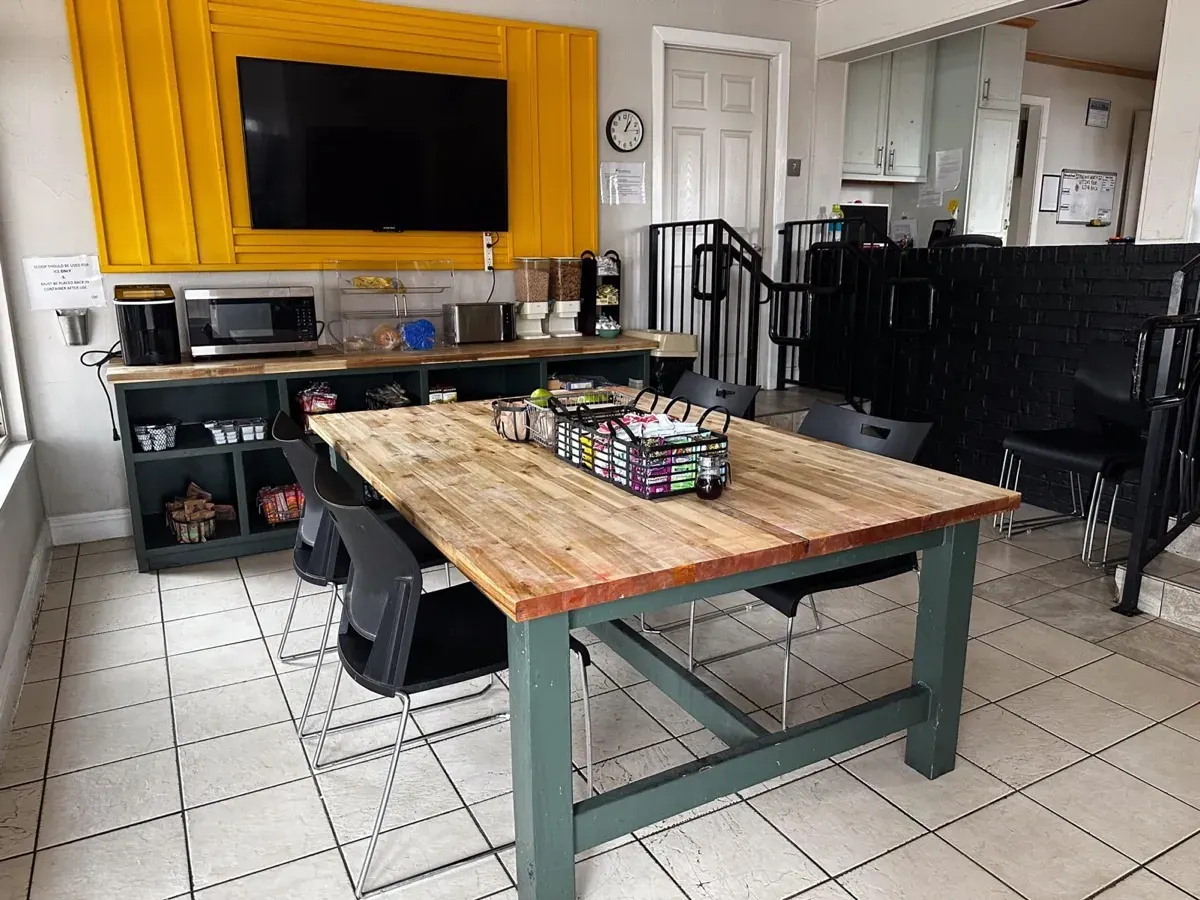
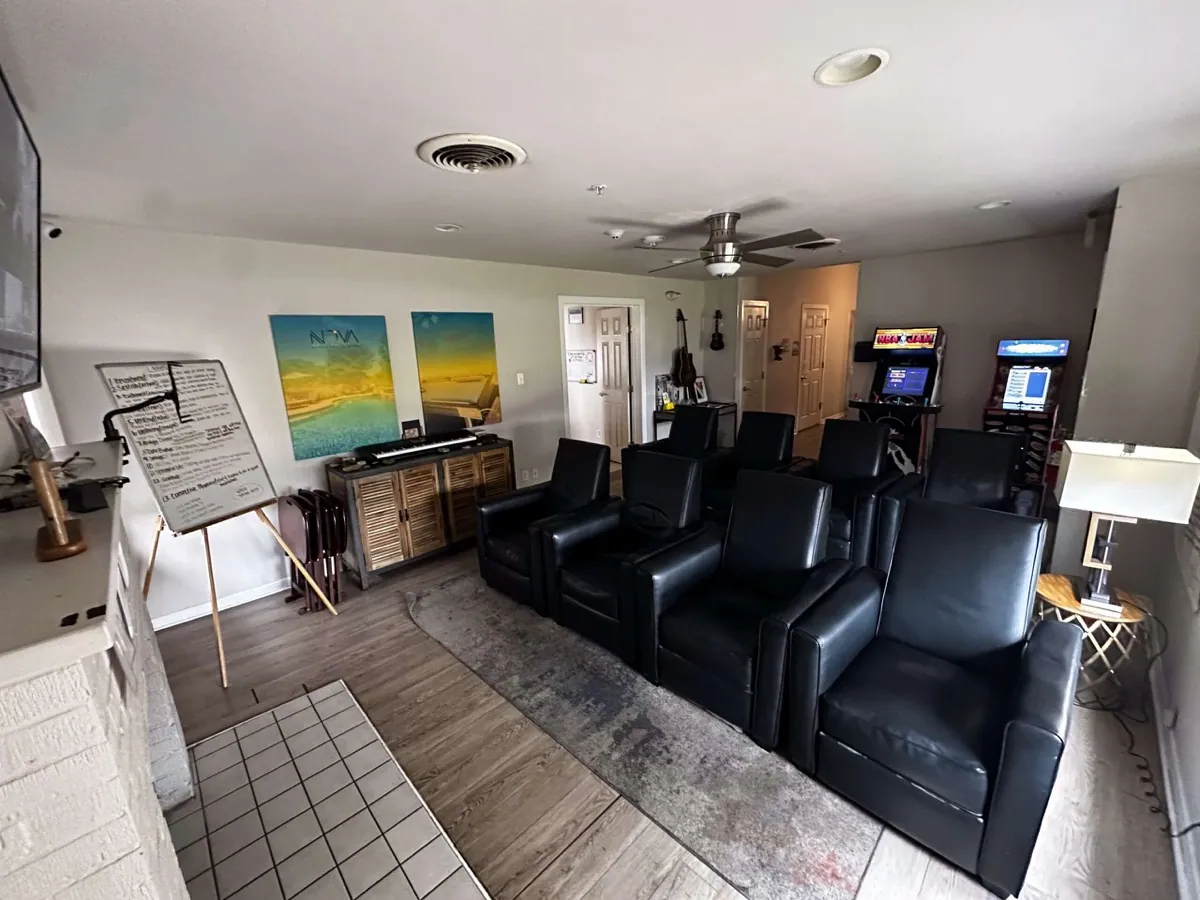
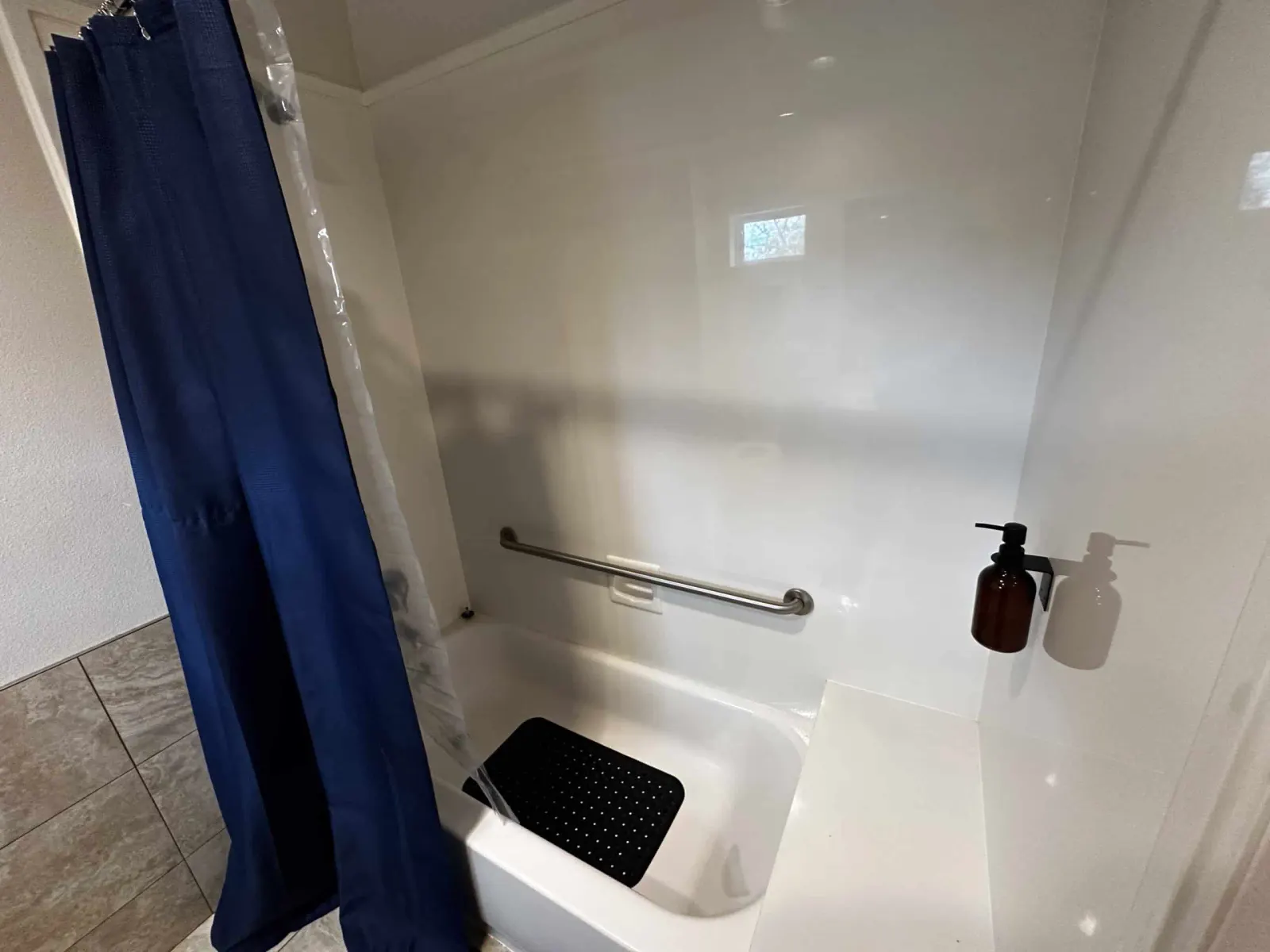
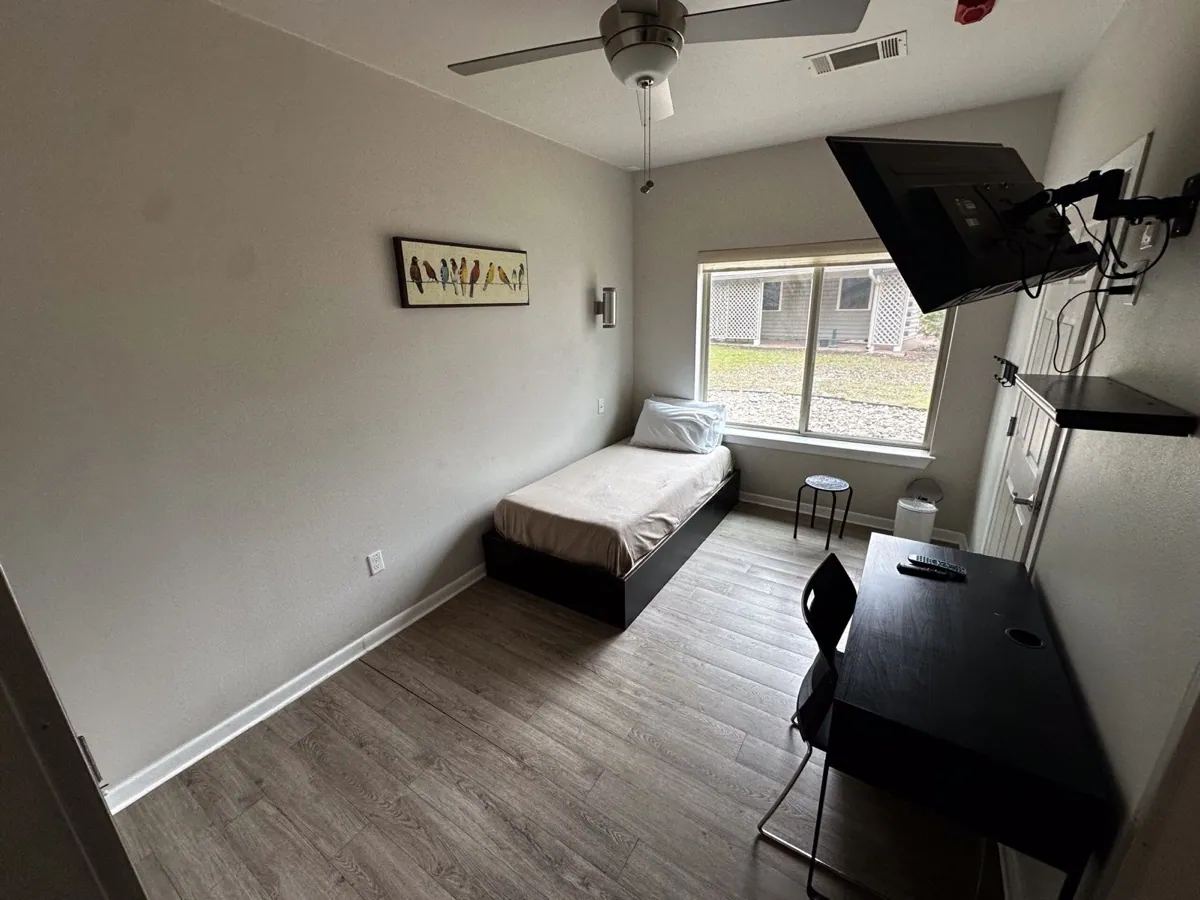
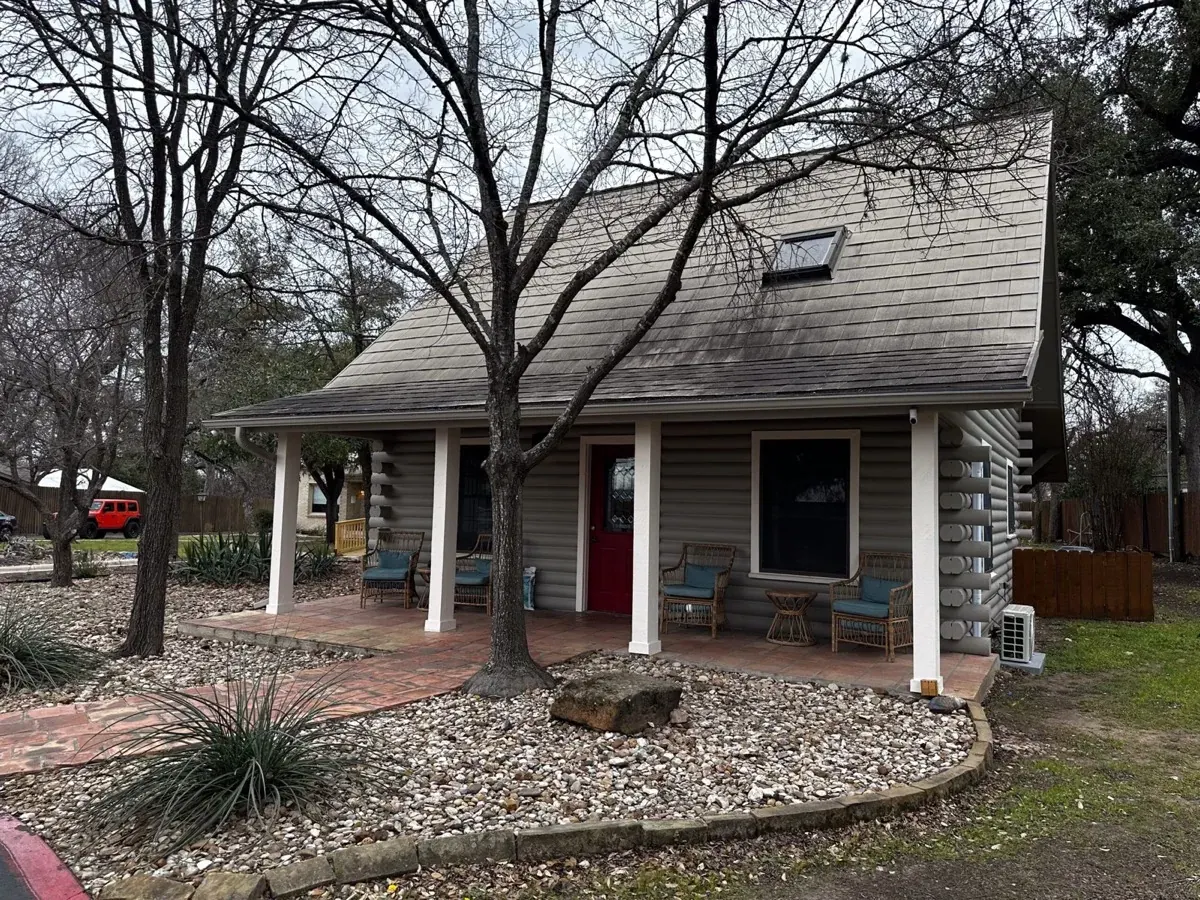
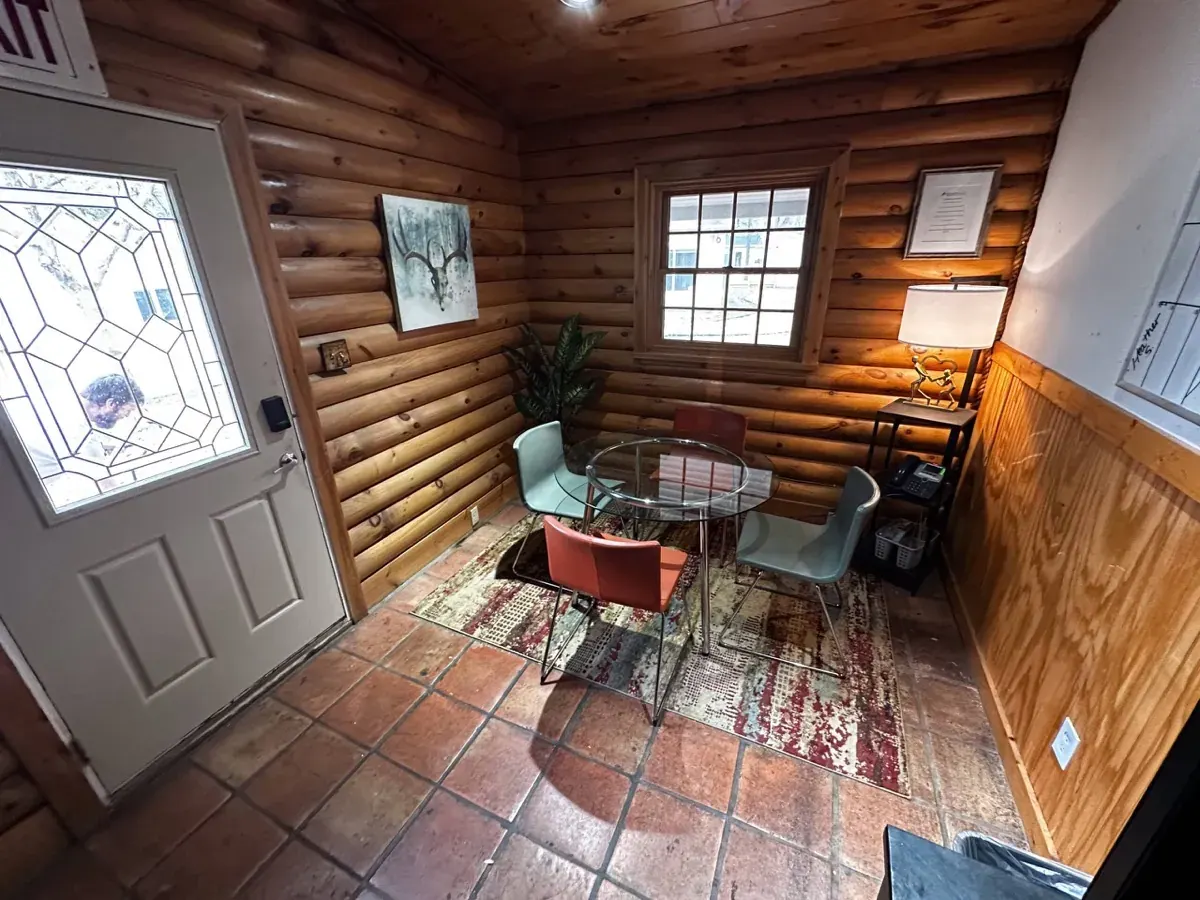
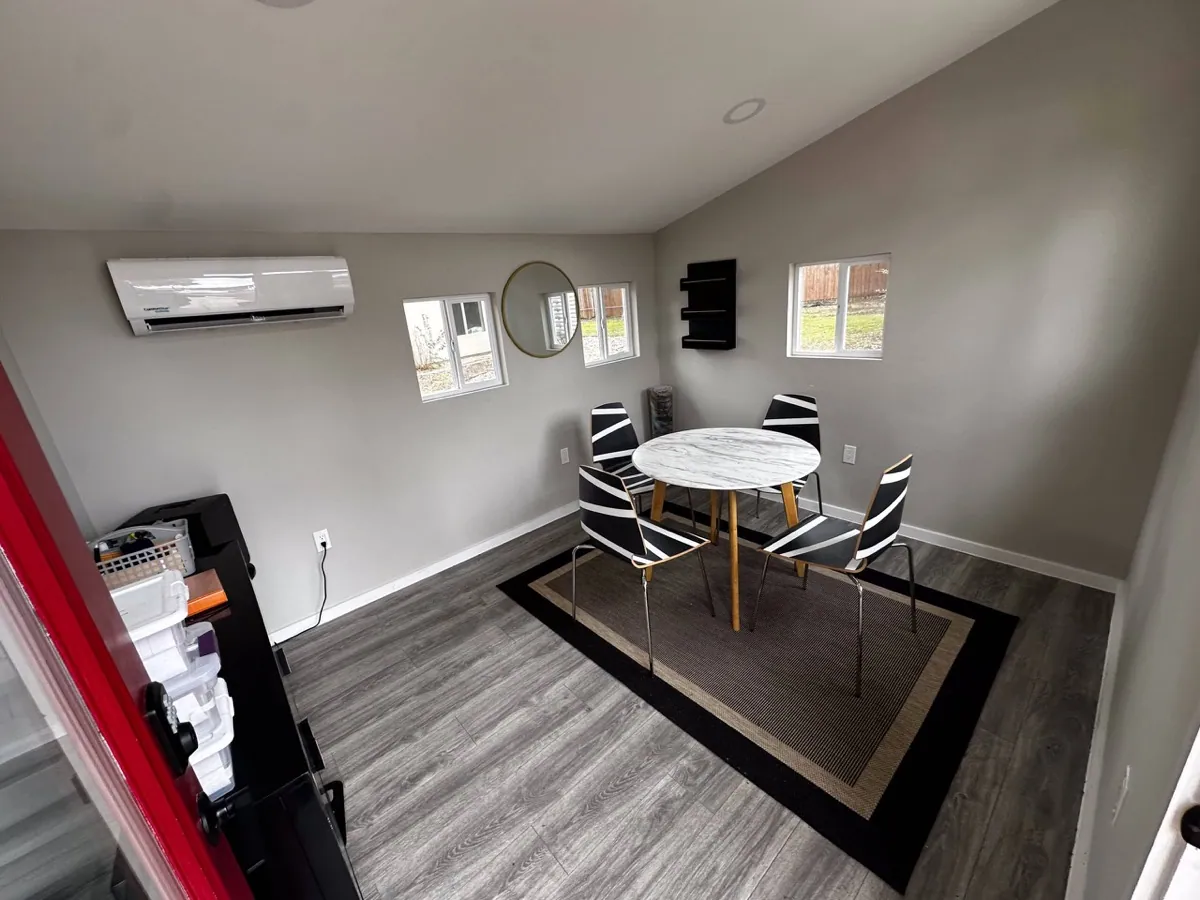
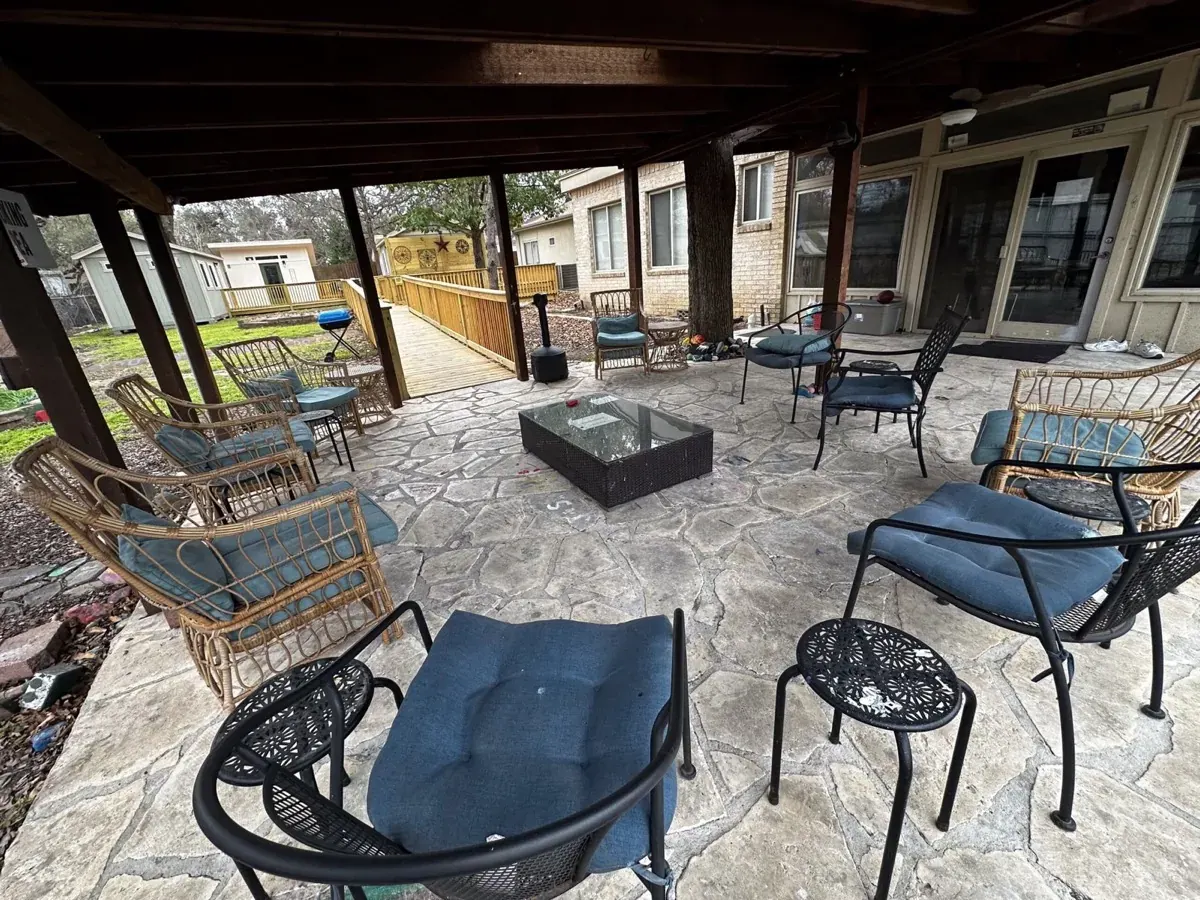
For people searching for “drug treatment centers in Austin,” the first step is often a safe, contained detox where withdrawal symptoms can be managed away from daily stressors. Briarwood Detox Center in North Austin provides a structured environment with private or semi‑private rooms, on‑site medical staff, and evidence‑based protocols for kratom and other substances.
As you complete detox, staff help you evaluate Austin drug treatment centers and other programs that match your clinical needs, insurance, and personal preferences, so that your transition from detox to ongoing treatment is as smooth as possible.
Substance abuse treatment in Austin, TX at Briarwood Detox Center
Individualized detox plans for kratom and other substances
Briarwood Detox Center specializes in medical detox for a wide range of substances, including kratom‑containing products, alcohol, opioids, benzodiazepines, and stimulants. Your care team considers your health history, current medications, and goals to create a plan that supports both safety and comfort.
For individuals using kava‑kratom blends or high‑potency products, Briarwood’s protocols address the combined withdrawal picture, monitoring for both physical and psychological symptoms.
Support for co‑occurring mental health conditions
Many people who rely on kratom do so to manage anxiety, depression, or unresolved trauma. Surveys of kratom users show high rates of self‑medication for mental health symptoms. During detox at Briarwood, clinicians screen for co‑occurring mental health conditions and collaborate with you to plan appropriate follow‑up care, such as outpatient therapy or residential treatment with integrated psychiatric services.
Planning the next phase of recovery
Detox is only the first step. Once you are medically stable, Briarwood’s case managers help you review treatment options in Austin and beyond, including residential rehab, intensive outpatient programs, and sober living environments. They can also provide information about Briarwood’s own educational resources on kratom, such as detailed blogs on Maeng Da kratom risks and detox options.
Link the bolded text to the Maeng Da article.
This planning phase helps you leave detox with a clear roadmap rather than returning to old patterns without support.
Supporting a loved one who depends on kratom
Recognizing when help is needed
If someone close to you seems unable to function without kratom, hides their use, or becomes withdrawn, irritable, or unmotivated when they run out, they may be struggling with dependence. Research suggests that as tolerance and withdrawal develop, daily life can slowly revolve around managing doses and avoiding discomfort.
Having a calm, non‑judgmental conversation
Approach your loved one with curiosity rather than confrontation. Share specific observations—such as changes in mood, sleep, or responsibilities—and ask how they are feeling. Emphasize that dependence is a health issue, not a moral failure, and that medical help is available.
You can also offer practical support, such as helping them look into detox options, reviewing Briarwood Detox Center’s information on kratom withdrawal, or planning for work and family coverage during treatment.
How Briarwood Detox Center supports families
Briarwood understands that kratom dependence affects entire families. Admissions staff can explain what to expect during detox, typical timelines, and how loved ones can stay informed while respecting privacy. They also help families think through logistics such as transportation, time off work, and follow‑up care.
How Briarwood Detox Center Helps With Kratom Withdrawal
Briarwood Detox Center provides structured, medically supervised care for people who want to stop using kratom safely. Our team begins with a thorough assessment of your health history, substance use, and mental health needs to design a personalized detox plan. Licensed medical staff monitor your vital signs, manage withdrawal symptoms, and may use comfort medications when appropriate. You stay in a calm, supportive setting that reduces access to kratom and other triggers. Staff help stabilize sleep, appetite, and hydration so your body can begin to recover. Case managers work with you to explore ongoing treatment options that fit your goals and situation in Austin and the surrounding area. You have access to support whenever cravings or anxiety feel overwhelming. By combining medical oversight with compassionate guidance, Briarwood Detox Center helps you take a safer first step toward living without kratom.
Kratom Withdrawal, Detox, and Treatment FAQs
What happens when you stop taking kratom?+–
When you stop taking kratom after regular use, your brain and body have to adjust to the sudden absence of the drug. Many people notice flu‑like symptoms, restlessness, anxiety, and sleep problems. It’s also common to feel mentally foggy, unmotivated, or down. These reactions are signs that your system became dependent on kratom’s effects and is now trying to rebalance.
How long does kratom withdrawal last?+–
Kratom withdrawal often starts within 12–48 hours after the last dose. Physical symptoms such as muscle aches, sweating, stomach upset, and poor sleep usually peak over the next few days. For many people, the most intense phase lasts about 3–7 days. Mood changes, cravings, and low energy can linger longer, especially after heavy or long‑term use.
What are common kratom withdrawal symptoms?+–
Kratom withdrawal can include anxiety, irritability, depressed mood, muscle aches, runny nose, sweating, nausea, diarrhea, and insomnia. Some people also report brain fog, low motivation, and strong cravings. Symptoms vary based on how much and how often you used kratom, as well as your overall health and stress levels.
Is kratom withdrawal like opioid withdrawal?+–
Kratom acts on some of the same brain receptors as opioids, so withdrawal can share similar features. People may feel flu‑like symptoms, mood swings, and intense cravings. For some, kratom withdrawal is milder than withdrawal from stronger opioids; for others, it feels quite intense. Medical support can help manage symptoms and reduce the risk of returning to use.
Can you detox from kratom at home?+–
Some people with mild, short‑term use may get through withdrawal at home, but it can still be uncomfortable and unpredictable. Symptoms like vomiting, diarrhea, insomnia, and severe anxiety can be hard to manage alone and can increase relapse risk. If you’ve used kratom heavily, mixed it with other substances, or have medical or mental health conditions, medically supervised detox is usually a safer option.
How can Briarwood Detox Center help with kratom withdrawal?+–
Briarwood Detox Center provides 24/7 medical monitoring, comfort‑focused withdrawal management, and a calm setting away from daily triggers. The team creates an individualized detox plan, tracks symptoms, and offers support for anxiety, sleep problems, and cravings. Staff also help you plan the next steps in treatment so you’re not leaving detox without a roadmap. If you’re ready to take a safer first step off kratom in Austin, TX, Call our admissions team today at (866) 710-7710.
When should I seek professional help for kratom dependence?+–
You may want to seek help if you need more kratom to feel “normal,” feel sick or extremely unmotivated without it, or keep using despite problems at work, school, or home. Professional detox is also important if you use kratom with alcohol, benzodiazepines, or opioids, or if you have strong cravings and repeated failed attempts to quit. Briarwood Detox Center can review your situation, explain your options, and help you decide if medical detox is the right next step. Call our admissions team today at (866) 710-7710.
Will kratom withdrawal affect my ability to work or care for my family?+–
Withdrawal can cause fatigue, poor sleep, mood swings, and trouble focusing, which may make it hard to manage regular responsibilities. Many people choose a short inpatient detox so that symptoms are monitored and treated while daily tasks are temporarily covered. Planning ahead with family or support people can ease this transition and reduce stress.
What happens after I finish kratom detox?+–
After detox, it’s important to continue care, because detox alone does not address the patterns or stressors that led to kratom use. Most people benefit from ongoing treatment such as residential rehab, intensive outpatient programs, or counseling. During your stay, Briarwood Detox Center staff can coordinate referrals and help you choose follow‑up options that fit your goals, insurance, and home situation.
Can you become addicted to kratom?+–
Yes. Kratom's active alkaloids—mitragynine and 7-hydroxymitragynine—bind to opioid receptors, and regular use can lead to tolerance, physical dependence, and psychological addiction. Many people who use kratom daily report difficulty stopping without experiencing withdrawal symptoms.
Is kratom detox dangerous?+–
Kratom withdrawal is generally not life-threatening, but it can be very uncomfortable and may lead to dehydration, severe anxiety, or relapse. Medical detox ensures you're monitored and supported, reducing risks and increasing your chances of a successful, sustained recovery.
Does Briarwood Detox Center accept insurance for kratom detox?+–
Yes. We work with most major insurance plans to cover medically necessary detox services. Call (866) 710-7710 to verify your benefits and learn about your coverage options. Our admissions team will help you understand costs and payment plans upfront.
Related guides

About the people behind this guide
Anna-Grace Washington
Medical Content Writer
Anna-Grace Washington is a Medical Content Writer for Briarwood Detox Center. She holds a master’s degree in clinical psychology from the University of Texas and brings a strong understanding of behavioral health, addiction recovery, and evidence-based treatment concepts to her writing.
Dr. Robert Ulrich, DO
Medical Director
Dr. Robert Ulrich serves as Medical Director at Briarwood Detox Center, bringing more than two decades of clinical neurology experience to the treatment of substance use disorders. He is board-certified in neurology by the American Board of Psychiatry and Neurology and completed his neurology residency at UT Southwestern Medical Center in Dallas, where he served as Chief Resident.
In network with most major insurance
Find your plan and see what detox would cost
Most plans cover medical detox. Coverage varies by plan, so we verify it for you before you commit to anything.


















Don't see your plan? We work with out-of-network benefits and offer self-pay options — (866) 710-7710
- Confidential
- Takes about 2 minutes
- No obligation to admit

- Accredited The Joint Commission
- Rated 4.5 · 95 Google reviews
- Admissions 24 hours a day