
Guide
The Stages of Substance Abuse
Joint Commission accredited · In network with most major insurance · Admissions answered 24 hours a day


Published November 7, 2025
Reviewed and updated July 29, 2026
Key Takeaways · 10 points
- Most guides describe substance abuse in 5–6 stages. Labels vary across sources, but the path typically moves from initial use to possible relapse.
- Initial use often starts socially or situationally. Early awareness and education can reduce risk.
- Regular or risky use signals a turning point. Patterns begin to cause problems at home, school, or work.
- Tolerance and dependence bring withdrawal risks. These changes suggest it may be time to consider a medical evaluation for detox support.
- Addiction is a diagnosable, treatable condition. Effective care plans blend therapy, medications when appropriate, and support.
- Relapse can happen and calls for a plan update. It indicates the need to adjust—not abandon—treatment.
- Inpatient care is one part of a wider continuum of support. It’s matched to need using clinical criteria, not used for everyone.
- Choose inpatient care when safety, withdrawal, or stability are concerns. Severe symptoms, co‑occurring conditions, or an unsafe home setting may point to residential care.
- Austin residents can find licensed programs through trusted directories. Comparing several options helps clarify services, fit, and costs.
- Match treatment to the stage and build ongoing support. Care evolves from screening and outpatient therapy to detox, inpatient services, and continuing care as needed.
Break Free from Addiction. Detox Safely in Austin Today.
Medically Supervised Detox – Compassionate Care Starts Here.
Understanding how substance use progresses helps people recognize problems early and choose the right level of care. Clinical sources describe similar patterns that move from first use to addiction, with possible relapse. The exact labels vary by resource, but the progression is consistent. Substance use disorder (SUD) is a treatable mental health condition that ranges from mild to severe.

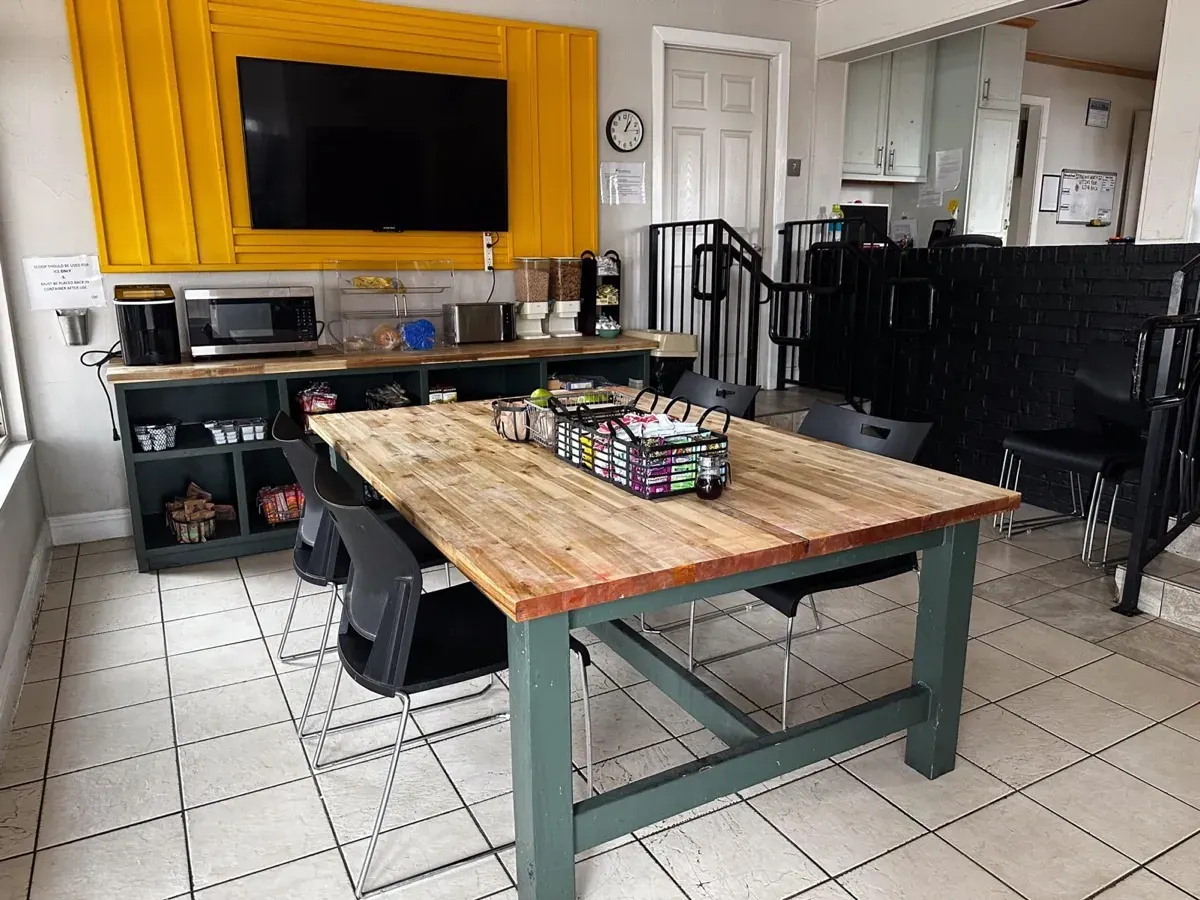

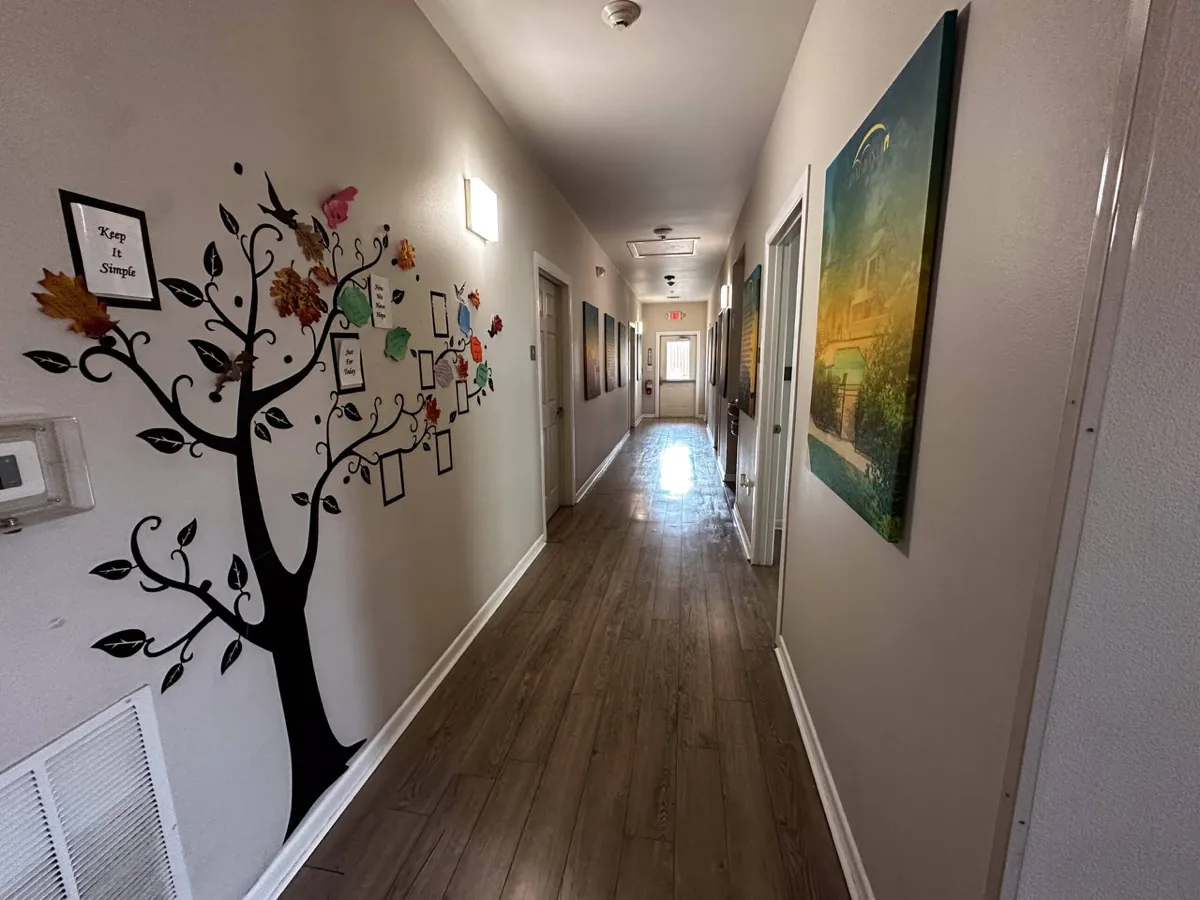
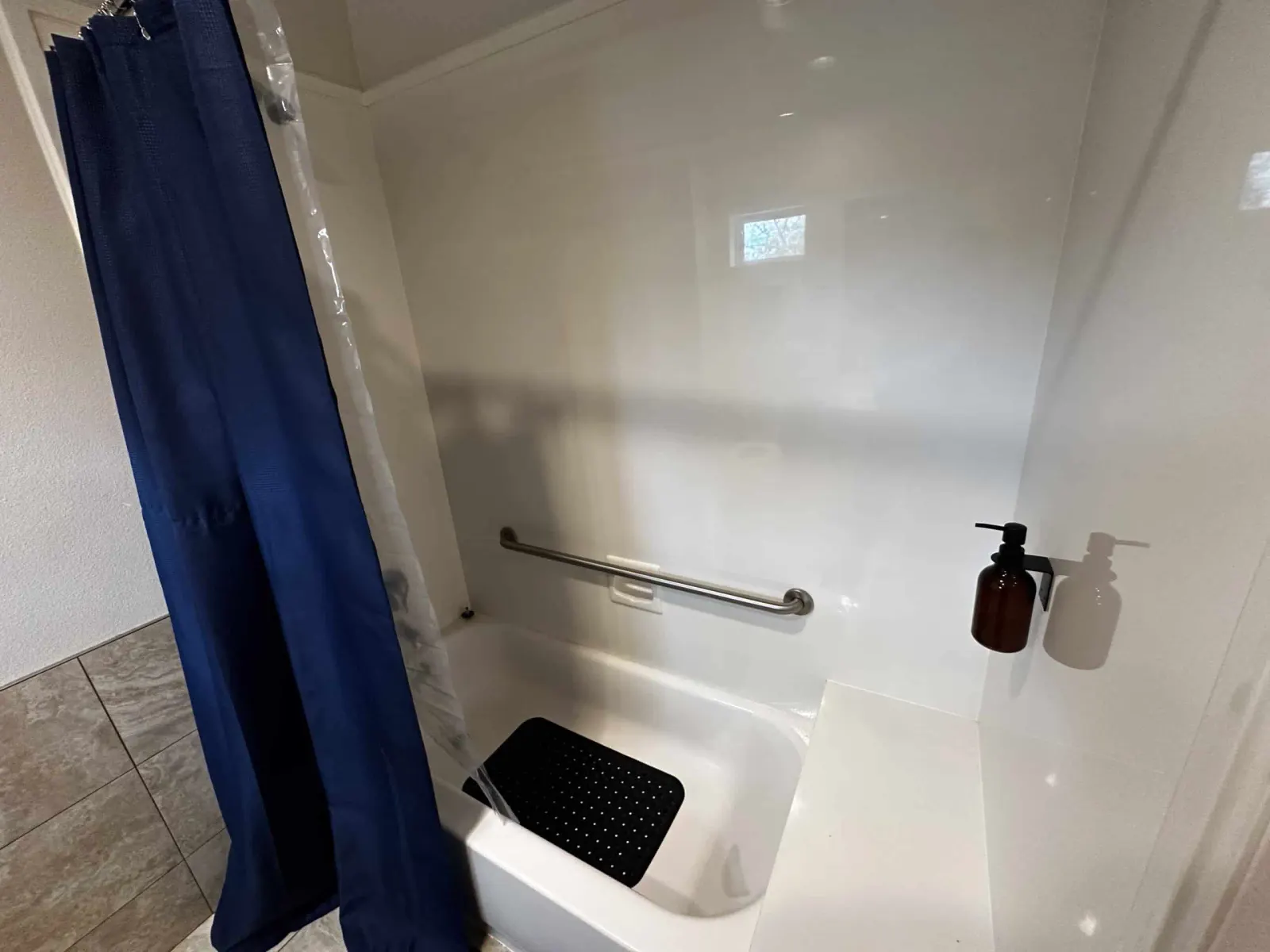
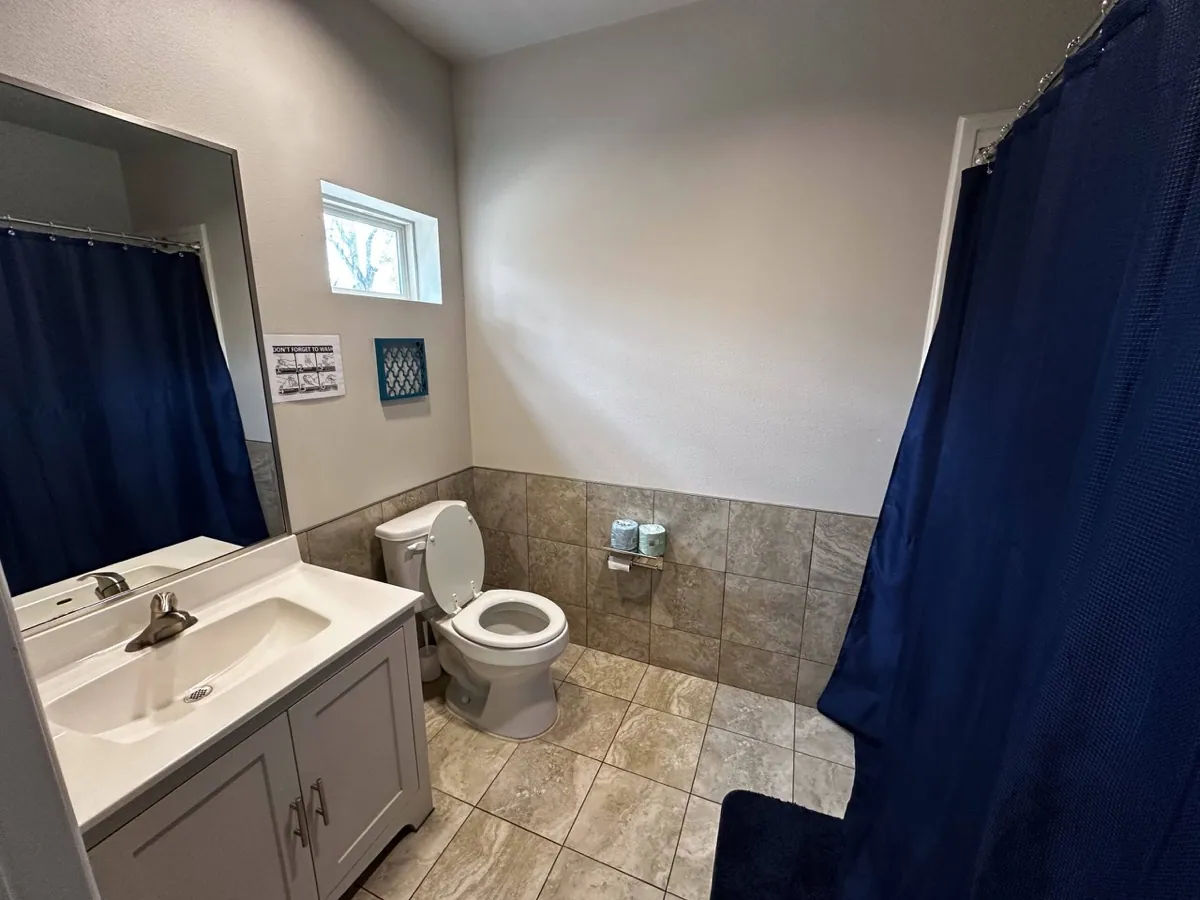









What most guides agree on: stage models cluster into five to six phases—initial use/experimentation, regular or risky use (misuse), tolerance, dependence, addiction, and relapse. Multiple reputable references outline versions of this path.
How Most Guides Define the Stages
1st Stage — Initial Use (Experimentation)
First exposure may be social, prescribed, or situational. Many people stop here, but risk can rise with certain substances, biology, and environment.
2nd Stage — Regular or Risky Use (Misuse)
Use becomes more frequent or harmful—examples include binge drinking or taking medicines for their “high.” This is the point where patterns begin to create problems at home, school, or work.
3rd Stage — Tolerance and Dependence
The same amount no longer produces the same effect (tolerance). The body and brain begin to rely on the substance to feel “normal,” and withdrawal symptoms can appear when use stops.
4th Stage — Addiction (Substance Use Disorder)
Addiction is a diagnosable condition marked by compulsive use despite harm. Diagnostic manuals list hallmark symptoms such as craving, loss of control, withdrawal, and continued use in risky situations.
5th Stage — Relapse and Return to Use
Addiction behaves like other chronic conditions. Return to use can occur and signals the need to adjust the treatment plan—not failure. Estimated relapse rates for SUD are roughly 40–60%, similar to other chronic illnesses.
Where we are
Detox centers across Texas
Three locations, each with its own admissions line and its own clinical team. Pick the one nearest you — or call and we will tell you which has a bed tonight.
-
 Inpatient
 Austin, TX
11711 N Lamar Blvd · 78753
- 15 beds
- On-site labs
- 24-hour medical staff
Inpatient Detox in Austin — Start Safely
-
San Antonio Alcohol & Drug Detox — Get Help Today
Briarwood
San Antonio Alcohol & Drug Detox — Get Help Today
-
 Inpatient
 Houston, TX
1019 Ashland St · 77008
- On-site labs
- 24-hour medical staff
Houston Medical Detox — Safe, Professional Care
Where Inpatient Care Fits for Austin Residents
Inpatient (residential) treatment is one step on a broader continuum of care. The American Society of Addiction Medicine (ASAM) uses a multidimensional assessment to match people to the right level of care—from outpatient counseling to residential/inpatient and medically managed services. SAMHSA provides plain‑language descriptions of treatment types used across this continuum. Explore our Austin detox services for medically supervised inpatient care and stabilization.
When Inpatient/Residential Is Appropriate
Inpatient care in Austin may be considered when any of the following are present:
- High risk for dangerous withdrawal (for example, with alcohol or benzodiazepines), warranting medical detox.
- Severe SUD symptoms and impaired daily functioning.
- Co‑occurring mental health conditions needing structured support.
- Safety risks or an unstable home environment that undermine sobriety.
Texas Health and Human Services outlines state substance use services for adults, including withdrawal management, residential treatment, and recovery supports.
Local Access in Austin
Austin and the surrounding area host numerous licensed programs across levels of care. To compare options, you can use FindTreatment.gov (SAMHSA’s locator) and review Texas HHS guidance on regulated chemical dependency facilities. A community directory also notes that visiting more than one provider can help you understand program fit and financing.
Treatment by Stage (and How Inpatient Programs Help)
Initial Use
- Recommended actions: screening, education, and prevention. Early conversations with a clinician can reduce risk and stop progression.
Regular or Risky Use (Misuse)
- Typical care: outpatient counseling (CBT, motivational therapies), peer support, and skill‑building. The goal is to address behavior and triggers early.
Tolerance and Dependence
- Medical evaluation for withdrawal concerns; if clinically indicated, medical detox followed by structured therapy. Inpatient programs can provide 24/7 monitoring during detox and stabilize co‑occurring issues.
Addiction (SUD)
- Comprehensive treatment plan based on ASAM Criteria. Depending on severity and environment, clinicians may recommend residential/inpatient care in Austin, intensive outpatient/partial hospitalization, or a combination. Plans often blend therapy, medications (when appropriate), and family work.
Relapse and Return to Use
- Relapse is addressed with adjustments in level of care, medications when indicated, and recovery supports (peer groups, continuing care). The goal is to learn from the episode and strengthen the plan.
Next Steps for Austin Inpatient Substance Abuse Care
- Get a professional assessment (ASAM‑aligned) to determine level of care.
- If withdrawal is likely, seek medical guidance on detox; alcohol and benzodiazepine withdrawal can be dangerous without supervision.
- Compare programs using SAMHSA’s locator and Texas HHS information; look for licensed facilities and ask about therapies, length of stay, discharge planning, and support after treatment—then verify your insurance.
- Plan for continuing care—outpatient therapy, peer support, medications when indicated, and relapse‑prevention skills all help sustain recovery.
How Briarwood Detox Center Supports Inpatient Substance Abuse Treatment in Austin
The material on this page is for educational purposes and is not a substitute for professional medical advice, diagnosis, or treatment. Prescription medications—including antidepressants and antipsychotics—should be taken only under the guidance of a qualified healthcare provider. Do not start, stop, or change any medication without first consulting your doctor. If you have severe side effects, worsening symptoms, or thoughts of self-harm, call 911 in the United States or seek emergency care right away. For confidential mental health support, dial 988 to reach the Suicide & Crisis Lifeline, available 24/7.
Frequently Asked Questions About Inpatient Substance Abuse in Austin
What Is Inpatient Substance Abuse Treatment?+–
Inpatient (residential) care provides 24/7 support in a structured setting. It’s part of a continuum that also includes outpatient options; placement should match need and safety.
Who Should Choose Inpatient Rehab Instead of Outpatient Care?+–
Clinicians use the ASAM Criteria to decide the safest, most effective level of care. Inpatient care is considered when risks are high, home is unstable, or co‑occurring issues require structure.
What Happens During Medical Detox?+–
Detox manages withdrawal and stabilizes health. Teams may use medications and monitoring, then transition you into ongoing treatment.
Is Alcohol Withdrawal Dangerous Without Medical Help?+–
It can be. Severe cases may lead to complications such as seizures or delirium tremens; medical oversight reduces risk.
How Long Does Inpatient Rehab Usually Last?+–
Length varies by assessment and progress. Programs align the duration with individual needs across the care continuum.
Does Insurance Cover Inpatient Rehab in Texas?+–
Many plans cover medically necessary SUD care. Federal parity rules require MH/SUD benefits (when offered) to be no more restrictive than medical/surgical benefits; check your plan details.
How Do I Find a Reputable Inpatient Program in Austin?+–
Use FindTreatment.gov to search verified programs and contact Texas OSAR services for help with screening and referrals.
Can Family Be Involved in Treatment?+–
Yes. Family therapy and education often improve engagement and outcomes when integrated into SUD care.
What Support Do People Get After Leaving Inpatient Rehab?+–
Plans may include outpatient therapy, peer support, medications when indicated, and relapse‑prevention skills to maintain progress.
What If Someone Relapses After Treatment?+–
Return to use can occur and signals the need to adjust the plan. NIDA estimates relapse rates for SUD around 40–60%, similar to other chronic illnesses.
Are Cell Phones or Visitors Allowed in Inpatient Programs?+–
Policies vary by facility for safety and privacy. Ask programs about phone access, visitor hours, and communication guidelines. (General policy guidance; confirm with the facility.)
How Do I Start if I’m Not Sure Which Level of Care I Need?+–
Begin with an assessment. You can call OSAR or use FindTreatment.gov; for immediate emotional support or crisis, dial 988.
Related guides



About the people behind this guide
Anna-Grace Washington
Medical Content Writer
Anna-Grace Washington is a Medical Content Writer for Briarwood Detox Center. She holds a master’s degree in clinical psychology from the University of Texas and brings a strong understanding of behavioral health, addiction recovery, and evidence-based treatment concepts to her writing.
Dr. Robert Ulrich, DO
Medical Director
Dr. Robert Ulrich serves as Medical Director at Briarwood Detox Center, bringing more than two decades of clinical neurology experience to the treatment of substance use disorders. He is board-certified in neurology by the American Board of Psychiatry and Neurology and completed his neurology residency at UT Southwestern Medical Center in Dallas, where he served as Chief Resident.
In network with most major insurance
Find your plan and see what detox would cost
Most plans cover medical detox. Coverage varies by plan, so we verify it for you before you commit to anything.














Don't see your plan? We work with out-of-network benefits and offer self-pay options — (866) 710-7710
- Confidential
- Takes about 2 minutes
- No obligation to admit
- Accredited The Joint Commission
- Rated 4.5 · 95 Google reviews
- Admissions 24 hours a day