
Guide
Opioid Overdoses Are Increasing in Denton County, TX
Joint Commission accredited · In network with most major insurance · Admissions answered 24 hours a day
Published April 13, 2018
Reviewed and updated July 24, 2026
Updated August 7th, 2025
Denton County is an affluent, well-populated county in northeast Texas. It’s included in the Dallas-Fort Worth-Arlington Metropolitan Statistical Area and has a median household income of $108,185, which is well above the Texas and U.S. median annual income.
Does your insurance cover detox in Austin?
Find out in about 2 minutes — free, confidential, no obligation.
Verify InsuranceDespite these sunny statistics, data shows that opioid overdoses in Denton County have steadily increased between the years of 2013 and 2017, signaling a deeper growing drug problem within the community. In 2022, the Texas Department of State Health Services reported 54 opioid-related deaths in Denton County—a 28% increase from 2020, signaling a concerning upward trend. To counter this, the Denton Fire Department administered Narcan approximately 240 times in two years, and local officials have enhanced overdose response via expanding access to Narcan and outreach to survivors
Table of contents
- Why are Denton County Overdose Deaths Increasing if Opioid Prescriptions are Decreasing?
- Defining Prescription Opioid Abuse
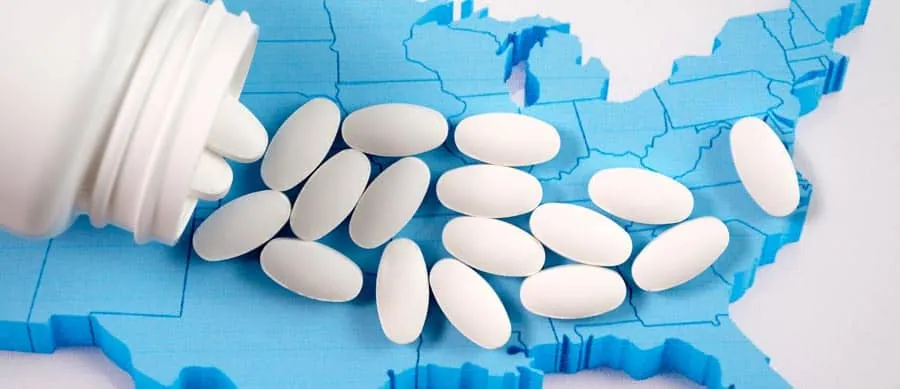
Although opioid prescription rates in Denton County declined (from 76 per 100 residents in 2011 to 59 for every 100 residents in 2016), this number still remains higher than the Texas average. In addition, opioid overdose deaths increased from 25 in 2013 to 37 in 2017 and heroin-related deaths in also increased in 2017. The opioid-related deaths in Denton County has increased to 54 in 2022 and the nation prescription rate trend is current 37.5 per 100 in 2023.
Why are Denton County Overdose Deaths Increasing if Opioid Prescriptions are Decreasing?
It may not make sense that fewer opioid prescriptions are being written in Denton County, yet more people are dying. While it’s difficult for authorities and health officials to determine the exact causes of increasing overdoses in situations like this, many times prescription opioids are obtained in a legal manner, such as from a doctor, but then they are abused, sold illegally, or passed from person to person in an illegal context.
The recent increase in Denton County opioid overdoses may be the negative consequences of these types of behaviors, as prescription opioid abuse continues to be a major problem in various counties all over the U.S.
Where we are
Detox centers across Texas
Three locations, each with its own admissions line and its own clinical team. Pick the one nearest you — or call and we will tell you which has a bed tonight.
-
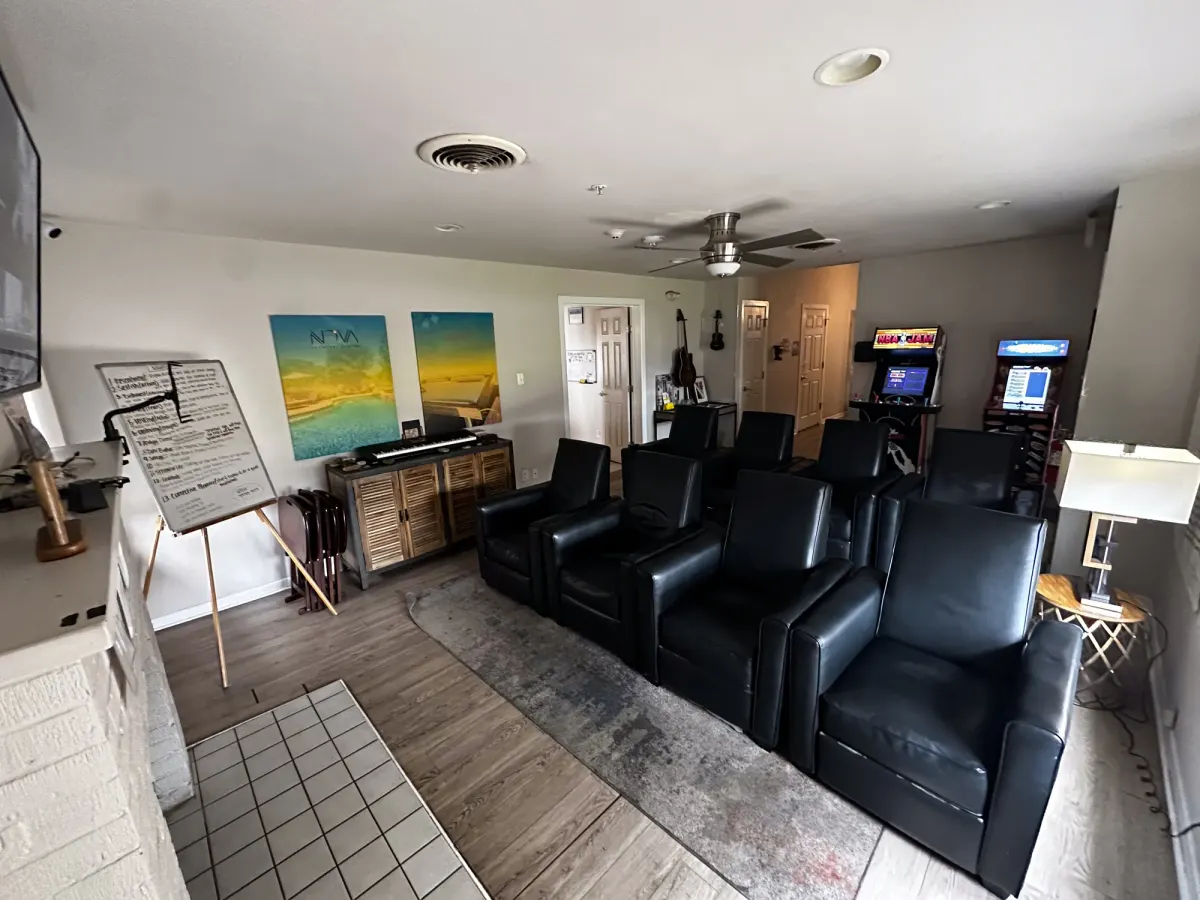 Inpatient
 Austin, TX
11711 N Lamar Blvd · 78753
- 15 beds
- On-site labs
- 24-hour medical staff
Drug & Alcohol Detox in Austin, TX
-
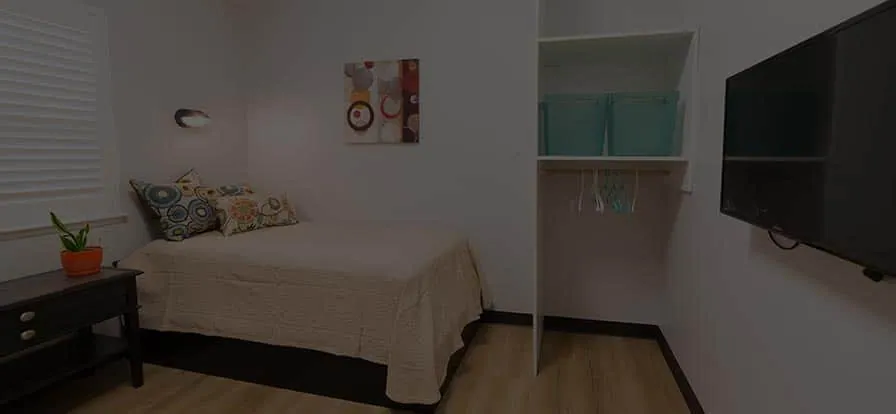 Inpatient
 Houston, TX
1019 Ashland St · 77008
- On-site labs
- 24-hour medical staff
Drug Detox Center in Houston, TX
-
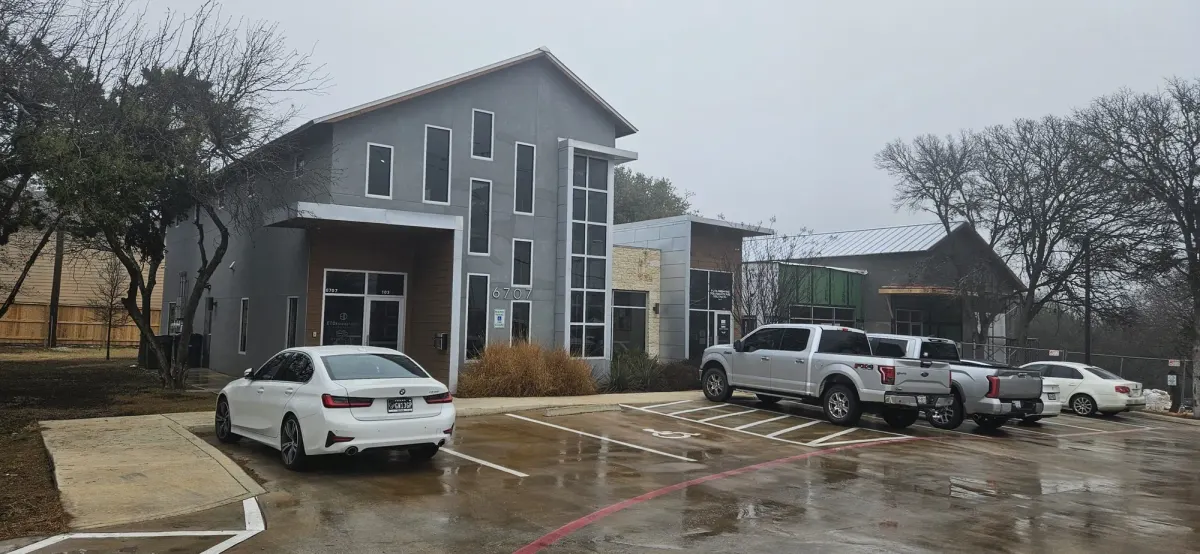 Outpatient
 San Antonio, TX
6707 W Hausman Rd · 78249
- Outpatient detox with scheduled medical visits
- Outpatient treatment
Outpatient Drug & Alcohol Detox in San Antonio
Defining Prescription Opioid Abuse
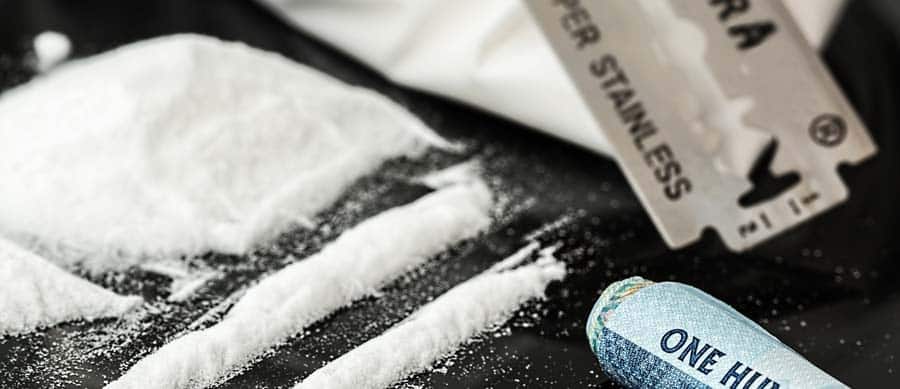
Prescription opioid abuse is just as dangerous as the abuse of illicit drugs like heroin or cocaine. Despite this fact, people abuse prescription opioids all the time for various reasons, including:
- To get high
- To self-medicate
- To relieve anxiety and stress
- To fulfill an addiction
Some forms of prescription opioid abuse may not even seem harmful, such as giving a family member a pain pill from your medicine cabinet to help them cope with back pain. But in reality, that prescription was given to you and it’s illegal to pass those pills onto anyone else, not to mention dangerous.
Ready to talk to someone now? Briarwood Detox Center's admissions team is here 24/7, and every call is confidential. Call (866) 710-7710.Prescription opioid drugs are meant to be taken on a short-term basis and they are prescribed in quantities and dosages that are specifically calculated for the patient they are prescribed to. When those drugs are passed around freely, any and all others taking them are at risk for experiencing harmful physical symptoms and overdose.
Other common forms of prescription opioid abuse include:
- Taking more frequent or larger doses of the drug than prescribed
- Faking symptoms to get more drugs from the doctor
- Getting several opioid prescriptions from multiple different doctors
- Taking prescription opioids purely for the purpose of getting high
If you or someone you know is abusing opioid drugs, prescription or illicit, it’s very important to get help immediately. Prescription opioid drugs are very powerful and can easily lead to physical dependence and addiction.
Alone, drug detox will do little to curb addiction, but it is the first step in a comprehensive addiction treatment program that will help you overcome your addiction to opioids and learn how to live a successful, sober life.
Briarwood Detox Center provides medically-assisted drug and alcohol detox and individualized programs that are designed to gradually wean you off of opioids until you reach a stable and sober state. This provides the safest and most comfortable withdrawal experience.
Call Briarwood today to learn more about our opioid and opiate detox programs or to enroll yourself or a loved one.
References:
- Denton county, texas (en.wikipedia.org)
- Denton county tx (datausa.io)
- dentonrc.com
- Fewer prescriptions but more opioid deaths in denton county (nbcdfw.com)
Ready to Start Your Recovery in Austin?
Briarwood Detox Center offers medically supervised detox in Austin. Explore our locations, see the facility, and verify your insurance in minutes.
See our locationsRelated guides

About the people behind this guide
Anna-Grace Washington
Medical Content Writer
Anna-Grace Washington is a Medical Content Writer for Briarwood Detox Center. She holds a master’s degree in clinical psychology from the University of Texas and brings a strong understanding of behavioral health, addiction recovery, and evidence-based treatment concepts to her writing.
In network with most major insurance
Find your plan and see what detox would cost
Most plans cover medical detox. Coverage varies by plan, so we verify it for you before you commit to anything.







Don't see your plan? We work with out-of-network benefits and offer self-pay options — (866) 710-7710
- Confidential
- Takes about 2 minutes
- No obligation to admit
- Accredited The Joint Commission
- Rated 4.7 · 183 Google reviews Flourishing Foundations Recovery, now part of Briarwood
- Admissions 24 hours a day