
Guide
Tight Chest or Chest Pain After Drinking: Hangover, Heart, or Withdrawal?
Joint Commission accredited · In network with most major insurance · Admissions answered 24 hours a day


Published September 11, 2026
Most people who search this are hungover, their chest feels tight or sore, and they want to know whether to worry. The answer has three parts. Most of the time it is the hangover itself. Some of the time it is the heart, in a specific way alcohol is known to cause. And for a heavy daily drinker it can be the start of withdrawal. The first section is how to tell an emergency from the rest, because that is the one that cannot wait.
When is chest pain after drinking an emergency?
Chest pain after drinking is an emergency when it feels like crushing, squeezing or pressure, or spreads to the jaw, left arm or between the shoulder blades. Shortness of breath, sweating, nausea, dizziness or a racing heart alongside it mean the same thing. Call 911 for any of those, hangover or not.
Those are MedlinePlus’s criteria for chest pain from any cause, and being hungover does not exempt you from them. Alcohol does not protect the heart, and a hangover is a poor state in which to judge your own symptoms. If the pain is sharp, brief, worse when you press on the spot or take a deep breath, and you are otherwise steady, the sections below probably explain it. If you are not sure which description fits, that is a reason to be seen, not a reason to wait.
Source: Chest pain, MedlinePlus, National Library of Medicine.
Why does your chest feel tight during a hangover?
A tight chest during a hangover is most often acid reflux, dehydration and a stress response happening at once, none of which is the heart and all of which alcohol causes.
Reflux happens when the ring of muscle at the bottom of the esophagus does not close all the way and stomach contents leak back up, and MedlinePlus lists alcohol among the things that make it worse. The morning after brings a burning or tight feeling behind the breastbone that people read as heart pain. Dehydration and the drop in blood sugar that follow heavy drinking leave the chest muscles and the heart working harder than usual. And the anxiety of a hangover, the racing thoughts and the shaky, adrenal feeling of the morning after, produces a genuine tightness across the chest that eases as the day goes on. Esophageal spasm, a cramp of the food pipe itself, can add a sharper pain that comes and goes.
MedlinePlus lists reflux, esophageal spasm, gastritis and muscle strain among the non-cardiac causes of chest pain, and a hangover manages to produce several of them in the same morning.
Source: Gastroesophageal reflux disease, MedlinePlus, National Library of Medicine.
What are the safe remedies for a tight chest after drinking?
The safe remedies are water, food, an over-the-counter antacid, rest and time, and the one thing not to do is drink again to settle it.
Rehydrate steadily rather than all at once. Eat something plain, which helps the blood sugar and the reflux. An antacid or a dose of an over-the-counter acid reducer handles the burning. Sit upright rather than lying flat, because reflux is worse lying down. Avoid caffeine and anything acidic for the day. Most hangover chest tightness is gone within the day on nothing more than that.
Do not treat it with another drink. “Hair of the dog” works by putting alcohol back into a body that is reacting to its absence, which relieves the symptom by restarting the cause. If a morning drink is the only thing that settles your chest, that is the subject of the withdrawal section below, and it is a more important thing to know than any remedy.
Can alcohol cause heart palpitations or an irregular heartbeat?
Yes. Binge drinking can trigger an irregular heart rhythm, usually atrial fibrillation, in people with otherwise healthy hearts, and it is common enough to have a name: holiday heart syndrome.
It typically appears 12 to 36 hours after a bout of heavy drinking, which is exactly the hangover window, and it feels like palpitations, a fluttering or pounding chest, sometimes with weakness, breathlessness or chest discomfort. In more than 90% of cases the rhythm settles on its own within 12 to 24 hours. Two things follow from that. First, a racing or irregular heartbeat the morning after is not something to sleep off; it needs an electrocardiogram, because the same symptom has other causes and because an irregular rhythm carries a clot risk while it lasts. Second, it comes back. Roughly 20 to 30% of people have another episode within a year, and continued moderate-to-heavy drinking is a strong predictor of it becoming permanent.
Source: Holiday Heart Syndrome, StatPearls, National Library of Medicine.
Where we are
Detox centers across Texas
Three locations, each with its own admissions line and its own clinical team. Pick the one nearest you — or call and we will tell you which has a bed tonight.
-
 Inpatient
 Austin, TX
11711 N Lamar Blvd · 78753
- 15 beds
- On-site labs
- 24-hour medical staff
Drug & Alcohol Detox in Austin, TX
-
 Inpatient
 Houston, TX
1019 Ashland St · 77008
- On-site labs
- 24-hour medical staff
Drug Detox Center in Houston, TX
-
 Outpatient
 San Antonio, TX
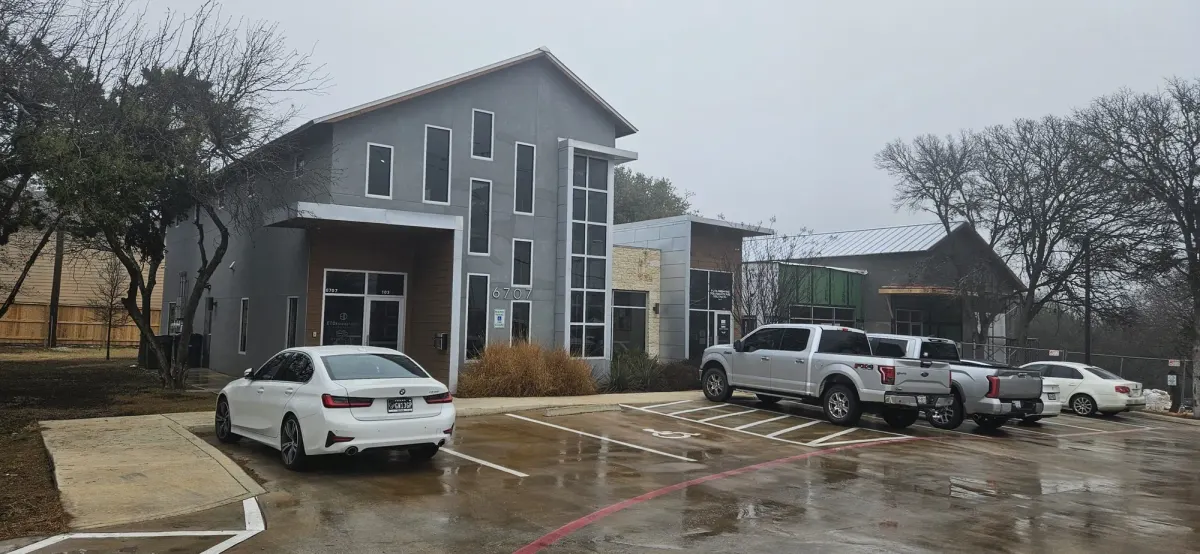
6707 W Hausman Rd · 78249
- Outpatient detox with scheduled medical visits
- Outpatient treatment
Outpatient Drug & Alcohol Detox in San Antonio
Is chest pain after drinking a sign of alcohol withdrawal?
For a heavy daily drinker, chest tightness with a racing heart, shaking, sweating and anxiety a few hours after the last drink is more likely withdrawal than hangover, and the difference matters because withdrawal escalates.
Alcohol withdrawal typically begins within hours of the last drink and peaks around 72 hours. A fast heart rate, high blood pressure, tremor and sweating are its ordinary early signs, and together they produce exactly the chest sensation people describe as tightness or pounding. What separates it from a hangover is the pattern: it comes on as the alcohol leaves rather than the morning after, it gets worse rather than better through the day, and a drink relieves it completely for a while. Withdrawal seizures typically occur between 8 and 48 hours after the last drink, and confusion, hallucinations or a fever mean delirium tremens and an emergency room.
If that pattern describes you, the first 96 hours page explains what the window involves and who is most at risk, and it is the reason a supervised detox exists.
Source: Alcohol Withdrawal Syndrome, StatPearls, National Library of Medicine.
Could the pain be the pancreas rather than the chest?
Pain high in the abdomen after drinking that bores through to the back, with nausea and vomiting, may be the pancreas, and acute pancreatitis is a hospital condition rather than a hangover.
Alcohol is the second most common cause of acute pancreatitis, accounting for roughly 17 to 25% of cases in the United States, and it typically follows years of heavy daily drinking rather than a single night. The pain is described as deep, burning or stabbing in the upper abdomen, radiating to the back, often worse after eating or drinking. People frequently feel it as low chest pain. Persistent vomiting, a rigid or very tender upper abdomen, or pain that is severe and unrelenting are reasons to go in rather than wait it out. If there is blood in the vomit, the throwing up blood after drinking page is the one to read next, and it says the same thing more urgently.
Source: Acute Pancreatitis, StatPearls, National Library of Medicine.
What does long-term heavy drinking do to the heart?
Long-term heavy drinking weakens the heart muscle itself, a condition called alcoholic cardiomyopathy, and its early symptoms are breathlessness, swelling and palpitations rather than sharp pain.
The threshold in the literature is around 80 grams of alcohol a day, roughly six standard drinks, sustained for five years or more. The heart enlarges and pumps less well, and the person notices breathlessness that worsens gradually, waking at night short of breath, swollen ankles, and an irregular or racing pulse. The encouraging part is also the honest part: people who stop drinking have better outcomes, fewer hospital admissions and measurable improvement on echocardiogram, while those who keep drinking have a poor prognosis. If chest symptoms are a recurring feature of your drinking rather than a one-off, this is the reason to have a heart checked and the drinking addressed together.
Source: Alcoholic Cardiomyopathy, StatPearls, National Library of Medicine.
When does chest pain after drinking mean it is time to get help?
Chest pain after drinking means it is time to get help for the drinking when it keeps happening, or when a morning drink is what relieves it. Arriving with the shaking and sweating of withdrawal, rather than the ordinary misery of a hangover, means the same.
A single bad hangover is not a diagnosis. A chest that hurts most weekends, palpitations that have happened more than once, or symptoms that only settle with alcohol are a body reporting a pattern, and the cardiac risks above are all dose-dependent and all improve with stopping. For a heavy daily drinker the safe way to stop is not to stop alone. Medically supervised alcohol detox at Briarwood runs five to seven days with nursing around the clock, monitors exactly the heart rate and blood pressure this page is about, and arranges the next step before discharge. What it costs, self-pay and with insurance, is on how much detox costs. Admissions is answered at every hour, and a nurse can tell you in one call whether what you are describing is a hangover, a withdrawal, or a reason to go to the emergency room first.
Common Questions
Why does my chest hurt after drinking alcohol?+–
Usually acid reflux, dehydration and hangover anxiety together, which produce tightness or burning behind the breastbone. Less often it is an alcohol-triggered irregular heartbeat, early withdrawal in a heavy drinker, or pancreatitis felt as low chest pain. Crushing pressure, pain spreading to the arm or jaw, or breathlessness mean 911.
Is a tight chest a normal hangover symptom?+–
It is common, and in most people it is reflux and dehydration that eases with water, food, an antacid and rest. A tight chest with palpitations, an irregular pulse or breathlessness is not a normal hangover and needs to be checked.
How long does hangover chest pain last?+–
Reflux and anxiety-related tightness usually resolve within the day. Alcohol-induced atrial fibrillation settles on its own within 12 to 24 hours in more than 90% of cases, but should still be evaluated. Pain lasting more than a few minutes with pressure or radiation is an emergency regardless of duration.
Can alcohol cause a heart attack the next day?+–
Heavy drinking raises blood pressure and can trigger irregular rhythms in the hangover window, and in someone with existing heart disease that strain can precipitate a cardiac event. Treat crushing or spreading chest pain the morning after exactly as you would at any other time: call 911.
Does chest pain from alcohol go away if you stop drinking?+–
Reflux, holiday heart episodes and withdrawal symptoms all stop with abstinence. Alcoholic cardiomyopathy improves measurably in people who quit and worsens in those who do not. Stopping is the treatment for every cause on this page except the emergency ones, which need a hospital first.
Related guides

About the people behind this guide
Anna-Grace Washington
Medical Content Writer
Anna-Grace Washington is a Medical Content Writer for Briarwood Detox Center. She holds a master’s degree in clinical psychology from the University of Texas and brings a strong understanding of behavioral health, addiction recovery, and evidence-based treatment concepts to her writing.
Dr. Robert Ulrich, DO
Medical Director
Dr. Robert Ulrich serves as Medical Director at Briarwood Detox Center, bringing more than two decades of clinical neurology experience to the treatment of substance use disorders. He is board-certified in neurology by the American Board of Psychiatry and Neurology and completed his neurology residency at UT Southwestern Medical Center in Dallas, where he served as Chief Resident.
In network with most major insurance
Find your plan and see what detox would cost
Most plans cover medical detox. Coverage varies by plan, so we verify it for you before you commit to anything.


















Don't see your plan? We work with out-of-network benefits and offer self-pay options — (866) 710-7710
- Confidential
- Takes about 2 minutes
- No obligation to admit
- Accredited The Joint Commission
- Rated 4.7 · 183 Google reviews Flourishing Foundations Recovery, now part of Briarwood
- Admissions 24 hours a day