
Guide
Zoloft and Bipolar: Side Effects and Fluoxetine Risks in Austin, TX
Joint Commission accredited · In network with most major insurance · Admissions answered 24 hours a day


Published November 18, 2025
Reviewed and updated July 24, 2026
Key Takeaways · 10 points
- SSRIs like Zoloft and fluoxetine raise serotonin and can ease depression but present distinct considerations in bipolar disorder.
- In bipolar I or during manic/mixed states, antidepressant monotherapy is discouraged due to switch risk.
- SSRIs can trigger a manic or hypomanic switch in susceptible people, including youth, so close monitoring is essential.
- Early activation and suicidality signals may appear after starting or changing a dose and require prompt attention.
- Avoid stacking serotonergic drugs because serotonin syndrome is a medical emergency.
- Common SSRI side effects include nausea, diarrhea, sleep changes, and sexual dysfunction.
- Do not stop SSRIs abruptly; a supervised taper reduces discontinuation symptoms.
- When used for bipolar depression, SSRIs are typically adjuncts to mood stabilizers with careful monitoring.
- New agitation, suicidal thoughts, fever, rigidity, or sudden mood elevation warrant urgent medical guidance.
- For substance use concerns in Austin, Briarwood Detox Center provides medically supervised detox and coordinated next steps.
Break Free from Addiction. Detox Safely in Austin Today.
Medically Supervised Detox – Compassionate Care Starts Here.
Key points
- Zoloft (sertraline) and fluoxetine are SSRIs. They raise serotonin levels and can relieve depressive symptoms but may also cause adverse effects.
- In bipolar disorder, antidepressant monotherapy is risky. Leading guidelines discourage antidepressant monotherapy for bipolar I or during manic/mixed episodes due to switch risk. Mood stabilizers and certain antipsychotics are first‑line.


















- A manic or hypomanic switch can occur. Studies and case reports link SSRIs—including fluoxetine and sertraline—to switches, especially in susceptible individuals and in youth.
- Serotonin syndrome is a rare but serious emergency. Risk increases with drug interactions or combining serotonergic agents.
- Briarwood Detox Center supports safe, medically supervised withdrawal for people in Austin who need help stabilizing from alcohol or drugs while planning next steps for treatment.
What Zoloft and fluoxetine do
Zoloft (sertraline) and fluoxetine slow the reuptake of serotonin, which can improve mood, anxiety, and related symptoms. Both medicines share many side effects, such as nausea, sleep changes, sexual dysfunction, and tremor. Serious risks include serotonin syndrome, low sodium, and bleeding—especially when combined with other medications that affect platelets or serotonin.
Bipolar disorder, depression, and SSRI use
Bipolar disorder involves cycles of depression and mania or hypomania. During a bipolar depressive episode, clinicians often start with mood stabilizers or selected antipsychotics. Antidepressant monotherapy is not recommended for bipolar I or for manic/mixed states because of the increased risk of mood destabilization. If an antidepressant is considered, it is often paired with a mood stabilizer and monitored closely.
Where we are
Detox centers across Texas
Three locations, each with its own admissions line and its own clinical team. Pick the one nearest you — or call and we will tell you which has a bed tonight.
-
 Inpatient
 Austin, TX
11711 N Lamar Blvd · 78753
- 15 beds
- On-site labs
- 24-hour medical staff
Austin Alcohol & Drug Detox — 24/7 Medical Care
-
 Inpatient
 Houston, TX
1019 Ashland St · 77008
- On-site labs
- 24-hour medical staff
Houston Detox Center — Compassionate, Evidence‑Based Care
-
 Outpatient
 San Antonio, TX
6707 W Hausman Rd · 78249
- Outpatient detox with scheduled medical visits
- Outpatient treatment
San Antonio Outpatient Detox — Flexible & Supportive
Side effects to watch for in bipolar disorder
Manic or hypomanic switch
SSRIs can precipitate mania or hypomania in vulnerable people. Fluoxetine has documented cases of mood switching, and population data show elevated manic‑conversion risk with SSRI exposure in youth. Any new restlessness, reduced need for sleep, rapid speech, impulsivity, or grandiosity warrants urgent clinical review.
Activation and suicidality signals
Early in treatment or during dose changes, some patients—especially adolescents and young adults—may experience agitation, irritability, or suicidal thoughts. Families should monitor changes and seek timely care if warning signs appear.
Serotonin syndrome and drug interactions
Combining multiple serotonergic agents (for example, fluoxetine with sertraline or certain migraine, pain, or cough medicines) can raise the risk of serotonin syndrome. Symptoms include fever, muscle rigidity, shivering, confusion, and diarrhea; this is a medical emergency.
Sexual, gastrointestinal, and sleep effects
Common, dose‑related effects include nausea, diarrhea, decreased libido, and insomnia or somnolence. Most are manageable with dose adjustments or timing but should be discussed with the prescriber.
Discontinuation symptoms
Stopping SSRIs abruptly can cause dizziness, flu‑like feelings, insomnia, and mood changes—see Prozac (fluoxetine) withdrawal symptoms for a deeper look. Fluoxetine’s long half‑life reduces (but does not eliminate) this risk; supervised tapers are recommended.
Are SSRIs recommended in bipolar depression?
Why mood stabilizers come first
Guidelines emphasize mood stabilizers and certain atypical antipsychotics as first‑line therapy in bipolar depression, with the goal of preventing switches and recurrence. Antidepressants, if used, are adjunctive and not a stand‑alone treatment for bipolar I.
Weighing benefits and risks
For some individuals with bipolar II depression or treatment‑resistant symptoms, a carefully monitored SSRI may provide benefit—ideally with a stabilizer on board, slow titration, and regular check‑ins to detect early activation or cycling. Evidence remains mixed, which is why collaboration with a prescriber is essential.
When side effects mean you should act
Seek prompt medical guidance for severe agitation, new or worsening suicidal thoughts, signs of serotonin syndrome (fever, sweating, confusion, muscle rigidity), seizures, or manic symptoms. Do not stop medication on your own; sudden cessation can worsen symptoms or cause withdrawal effects.
If alcohol or other substances are involved—and you’re in Central Texas—Briarwood’s licensed team can help you stabilize safely and plan your next steps. We accept admissions 365 days a year and provide 24/7 medical monitoring in Austin. Call our admissions team today at (866) 710-7710.
Co‑occurring substance use: why it matters with SSRIs
Substance use can amplify risks
Alcohol, benzodiazepines, opioids, and stimulants can complicate mood, sleep, and cognition—and they can mask or intensify SSRI side effects. Polysubstance use may also raise the chance of drug interactions and serotonin toxicity. In bipolar disorder, substance use often worsens cycling and recovery prospects and our dual diagnosis support during detox helps manage mood symptoms while you stabilize.. (General risk patterns described across clinical resources; see guideline and monograph citations.)
How Briarwood Detox Center helps in Austin, TX
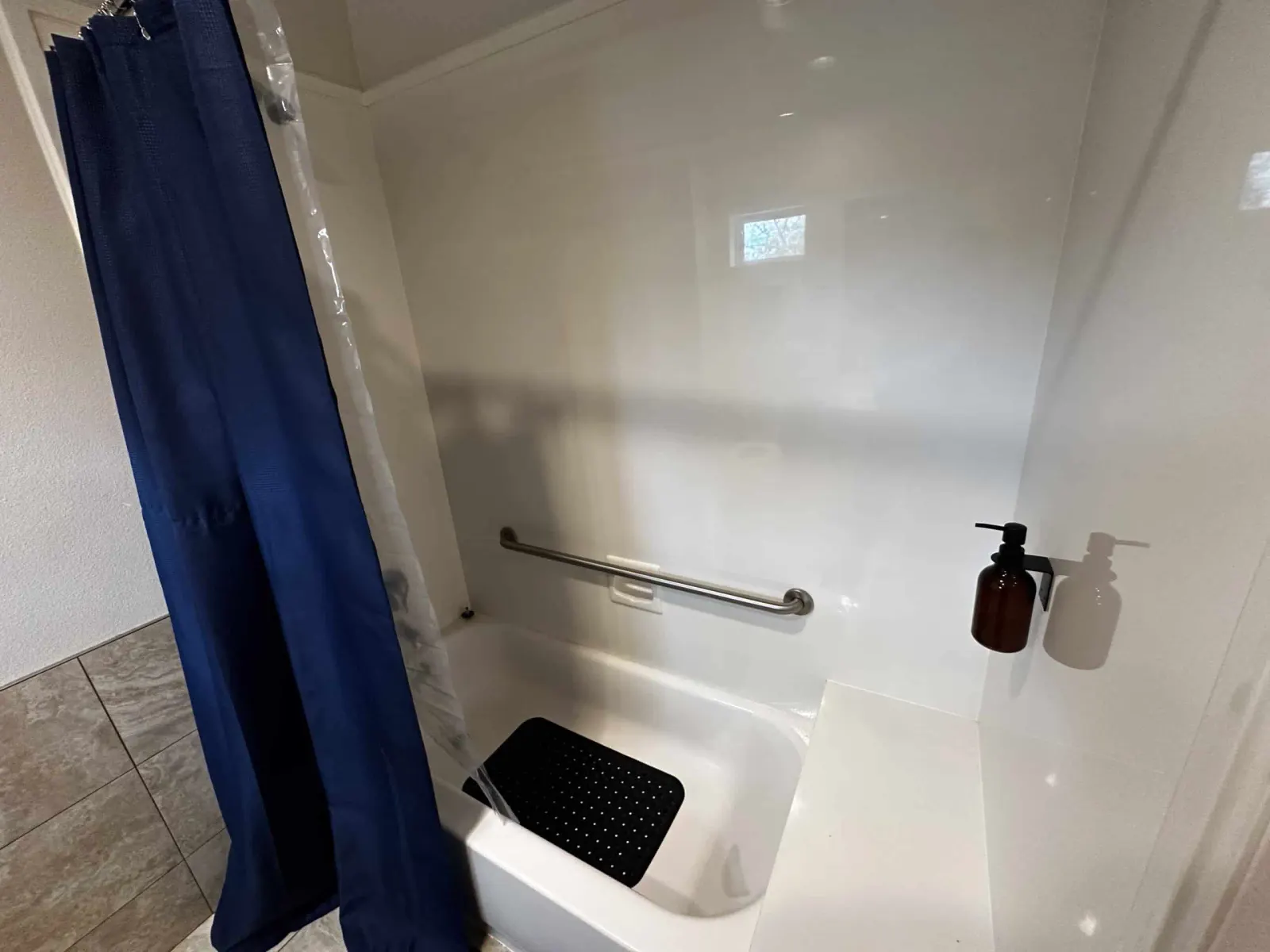
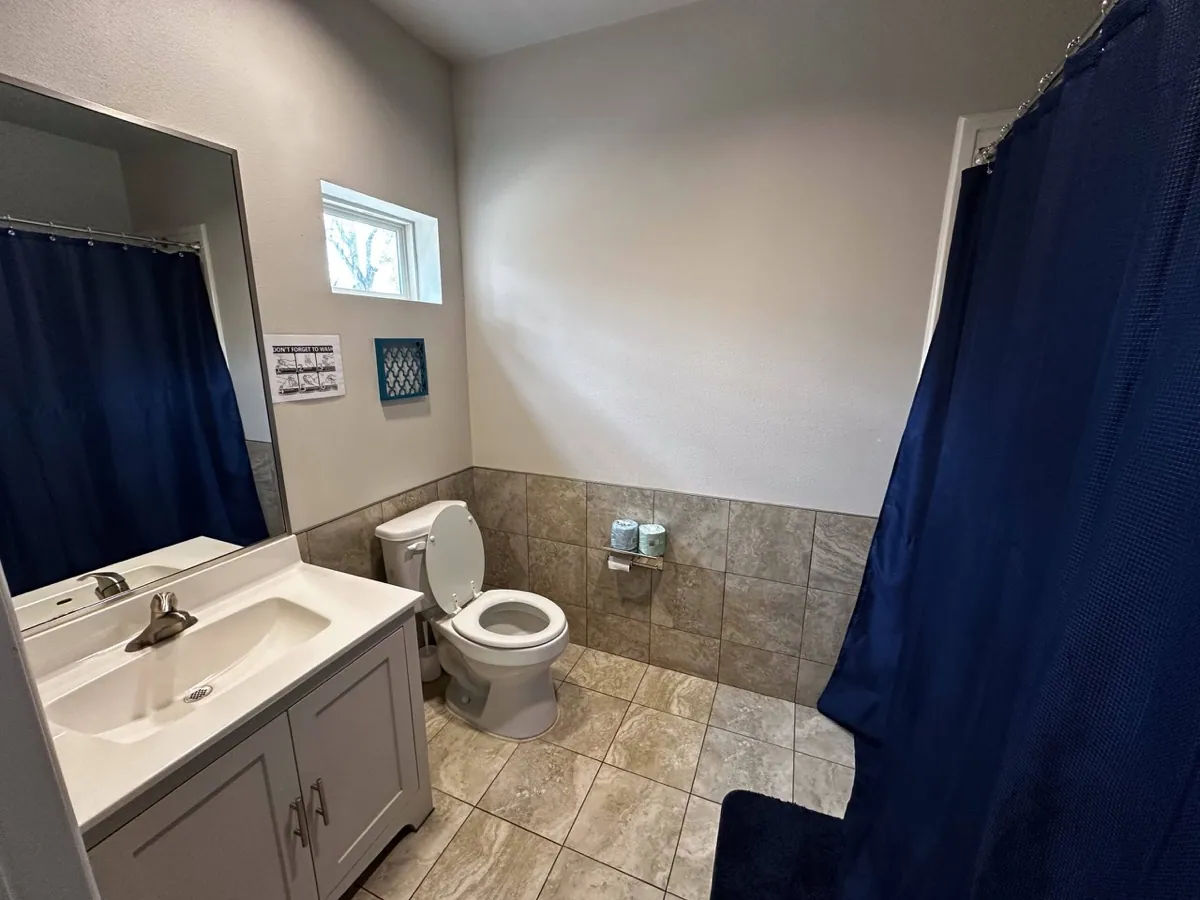
If you or a loved one needs substance abuse treatment in Austin, TX, Briarwood provides medically supervised detox with round‑the‑clock care, individualized plans, and case management to coordinate your next level of treatment. Our Austin program is designed for safety and comfort, with continuous vital‑sign monitoring and supportive medications when appropriate.
- Explore our Austin program: Alcohol and Drug Detox Services in Austin.
- Learn what to expect during admissions and detox: Our admissions process and daily care.
- Verify benefits: Insurance verification for detox.
Practical notes on Zoloft and fluoxetine in real life
- Dosing and titration: Sertraline is commonly started at low doses with gradual increases; fluoxetine dosing varies by indication. Any changes in bipolar disorder should be coordinated with a prescriber who can monitor for activation.
- Timing matters: Early weeks often bring transient side effects. Report persistent insomnia, agitation, or mood elevation.
- Combinations require caution: Avoid stacking serotonergic drugs without medical oversight. Even “natural” products may interact.
- Never stop abruptly: Discuss tapering plans to reduce discontinuation discomfort and relapse risk.
If you are also navigating alcohol or drug use, Briarwood Detox Center in Austin can help you reduce health risks while you evaluate medication options with your providers. Call our admissions team today at (866) 710-7710.
What to expect at Briarwood Detox Center (Austin)
Medical monitoring and comfort‑focused care
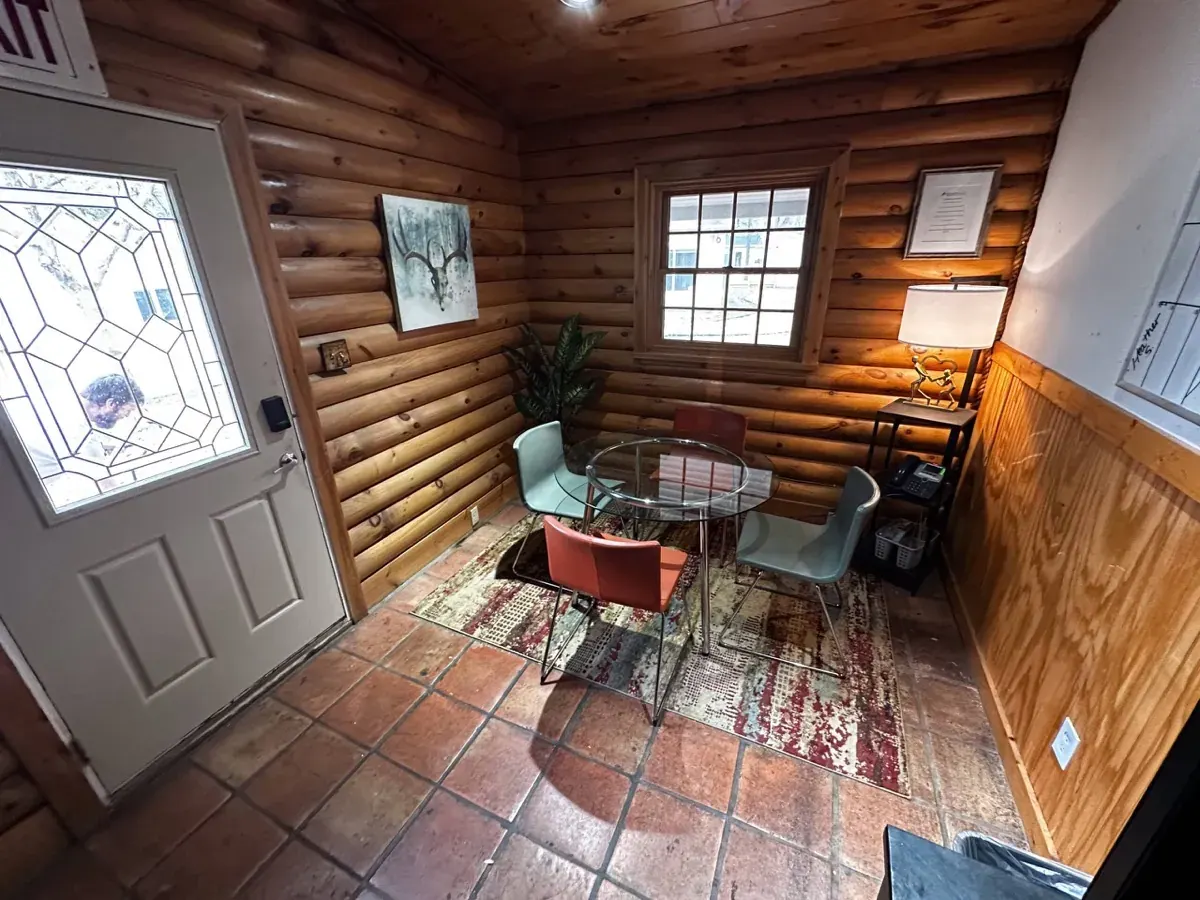
Our team provides 24/7 supervision, comfort medications when appropriate, and compassionate support throughout withdrawal. This environment helps you rest, stabilize, and prepare for the next phase of care.
Planning next steps after detox
Case managers help coordinate aftercare so you can transition into the appropriate level of treatment following detox.
Insurance, admissions, and getting started
Admissions are simple and confidential. You can verify benefits and discuss costs before you arrive. Call our admissions team today at (866) 710-7710.
How Briarwood Detox Center Supports Fluoxetine Support and Substance Abuse Treatment in Austin, TX
Briarwood Detox Center helps people who take fluoxetine and also need safe detox for alcohol or other drugs. Our Austin medical detox program includes a full medication review, dosing confirmation, and monitoring for interactions or activation. Nurses and providers are on site 24/7, with comfort‑focused medications when appropriate and a calm, private setting. We coordinate with your prescriber to support ongoing use of fluoxetine or plan adjustments as needed. Care is individualized with vital‑sign checks, sleep and nutrition support, and daily provider rounds. Admissions are streamlined, and our team can verify benefits quickly through insurance verification.
After detox, case managers connect you with the right level of care in the Austin area. People searching for substance abuse treatment Austin TX, Austin drug treatment centers, or drug treatment centers Austin Texas often begin with medical detox to stabilize first. Briarwood Detox Center helps you start recovery safely and confidently in Austin.
Frequently Asked Questions: Fluoxetine, Zoloft & Bipolar Side Effects
Can fluoxetine make bipolar disorder worse?+–
Yes—antidepressants, including fluoxetine, can precipitate mania or rapid cycling in bipolar disorder, which is why antidepressant monotherapy is not recommended for bipolar I or during manic/mixed episodes. If used, it’s typically with a mood stabilizer and close monitoring.
Is fluoxetine approved for bipolar depression?+–
Fluoxetine has a bipolar‑depression indication only when combined with olanzapine (the fixed‑dose combination is sometimes used in practice). This pairing should be clinician‑directed due to side‑effect and interaction risks.
Does Zoloft (sertraline) help with bipolar disorder?+–
Sertraline is an SSRI that may be considered for depressive symptoms in select cases, but it is not first‑line alone in bipolar I. Risk of a manic or hypomanic switch requires careful oversight and, when used, combination therapy.
What are the most common side effects of fluoxetine?+–
Nausea, diarrhea, headache, insomnia or sleepiness, and sexual side effects are common. Report severe or persistent symptoms to your prescriber.
How long does fluoxetine take to work?+–
Many people notice early changes within 1–2 weeks, but full benefit often takes 4–6 weeks or longer. Keep taking it as directed unless your clinician advises otherwise.
Can SSRIs cause mania or hypomania?+–
They can. Evidence and guidelines note a switch risk, particularly in susceptible individuals and youth, which is why mood stabilizers are central in bipolar care.
What is serotonin syndrome and what should I watch for?+–
Serotonin syndrome is a rare but serious reaction from excess serotonergic activity, often due to drug interactions. Warning signs include agitation, confusion, sweating, fever, tremor, hyperreflexia, and diarrhea—seek prompt medical care if suspected.
Can I drink alcohol while taking fluoxetine?+–
It’s best to avoid alcohol; it can worsen side effects, impair judgment, and reduce medication effectiveness.
What happens if I stop fluoxetine suddenly?+–
Stopping abruptly can cause discontinuation symptoms like dizziness, irritability, sleep problems, and mood changes. Any taper should be supervised by your clinician.
How can a detox program help if I’m taking fluoxetine and also using alcohol or drugs?+–
Briarwood Detox Center provides 24/7 medical detox in Austin with medication review, vital‑sign monitoring, and coordination with your prescriber so you can stabilize safely and plan next steps. This is often the first step for people seeking substance abuse treatment in Austin, TX. Learn about our Austin program. Call our admissions team today at (866) 710-7710.
What does Briarwood do during admissions if I’m on fluoxetine or other psychiatric meds?+–
On arrival, our team completes a medication reconciliation, confirms dosing, screens for interactions (including serotonergic agents), and monitors for activation or withdrawal during detox. We coordinate follow‑up care after discharge. See what to expect. Call our admissions team today at (866) 710-7710.
Related guides



About the people behind this guide
Anna-Grace Washington
Medical Content Writer
Anna-Grace Washington is a Medical Content Writer for Briarwood Detox Center. She holds a master’s degree in clinical psychology from the University of Texas and brings a strong understanding of behavioral health, addiction recovery, and evidence-based treatment concepts to her writing.
Dr. Robert Ulrich, DO
Medical Director
Dr. Robert Ulrich serves as Medical Director at Briarwood Detox Center, bringing more than two decades of clinical neurology experience to the treatment of substance use disorders. He is board-certified in neurology by the American Board of Psychiatry and Neurology and completed his neurology residency at UT Southwestern Medical Center in Dallas, where he served as Chief Resident.
In network with most major insurance
Find your plan and see what detox would cost
Most plans cover medical detox. Coverage varies by plan, so we verify it for you before you commit to anything.


















Don't see your plan? We work with out-of-network benefits and offer self-pay options — (866) 710-7710
- Confidential
- Takes about 2 minutes
- No obligation to admit

- Accredited The Joint Commission
- Rated 4.5 · 95 Google reviews
- Admissions 24 hours a day